Do Dogs Really Need Their Anal Glands Expressed?
Dogs can usually clear their anal glands on their own. But ignoring the warning signs when they do need help can lead to serious consequences.
Dogs can usually clear their anal glands on their own. But ignoring the warning signs when they do need help can lead to serious consequences.
by Dr. Maria Zayas, | April 15, 2026
ThamKC / Adobe Stock
Many responsibilities come with dog parenting that aren’t fun, but pet parents take in stride. To name a few: picking up their poop, taking steps to keep them from bringing parasites into the home, and extensive late-night searches for the best vacuums to get hair out of a carpet — to name a few.
But one of the most challenging (and lesser known) responsibilities involves their anal glands. Maybe you’ve never heard of them. Or maybe you know of them, but don’t actually know what they are, where exactly they are, or what they do. This guide will walk you through it all.
Anal glands are scent glands found on either side of a dog’s anus that contain a smelly brownish fluid that is released when a dog poops, or possibly when they’re scared or surprised.
Most dogs can express (or empty) their anal glands just by pooping, but sometimes changes in fecal consistency, inflammation, or disease — among other factors — can keep a dog from emptying their anal glands on their own.
Anal glands that aren’t being expressed regularly can become infected.
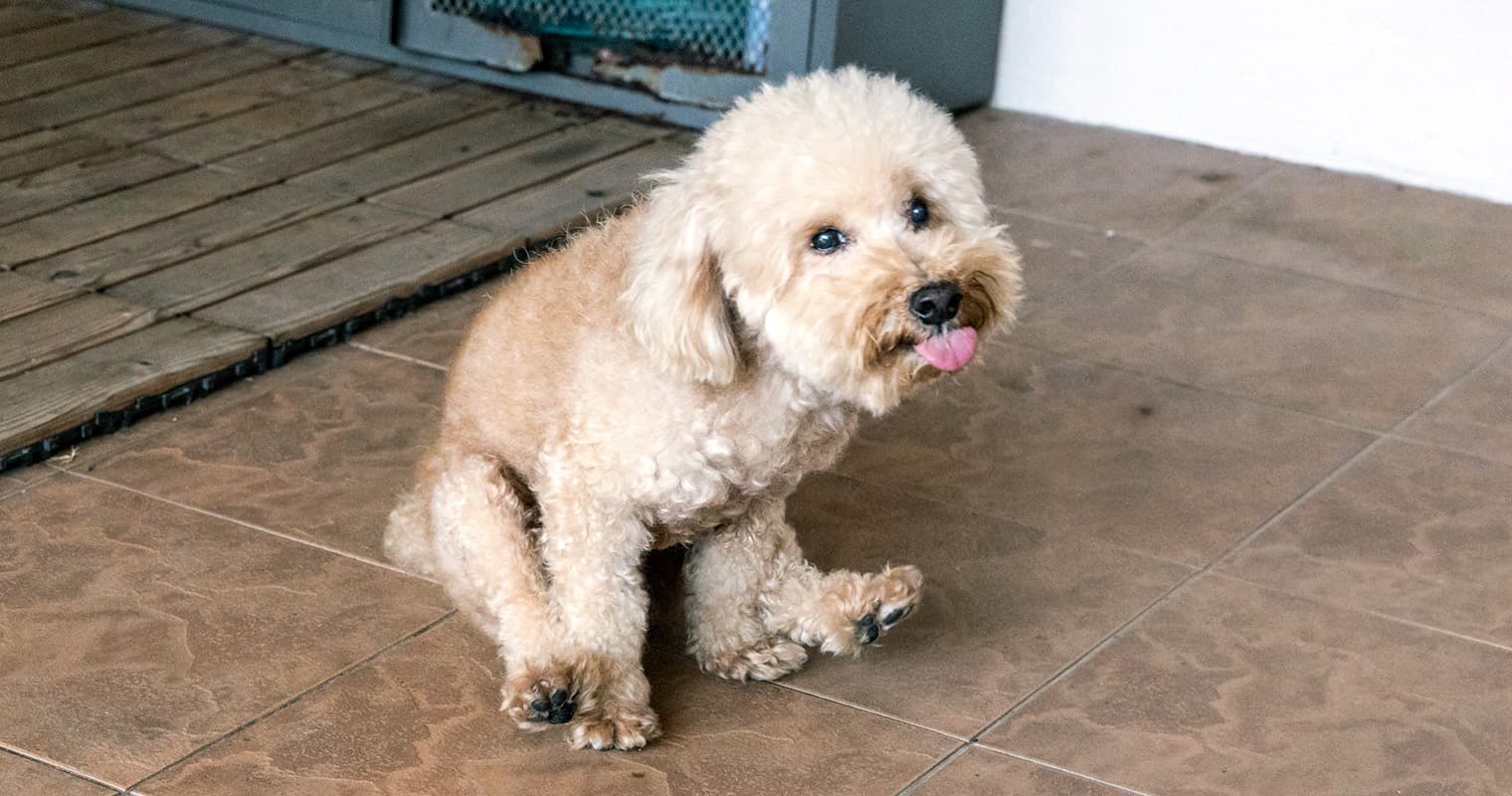
Signs of unhappy anal glands include butt-scooting, a fishy odor, and licking. Infected anal glands may leave the area moist, bloody, smelly, or with a pus-like discharge.

petesphotography / iStock
All dogs have two anal glands. They’re located on either side of a dog’s anus and have small, pinpoint openings into the rectum right before the anus. They range in size depending on the dog, from about pea-sized to marble-sized when full.
Inside each anal gland is a brownish, very strong-smelling (ideally) thin fluid. Dogs communicate not just about territory but also stress, health, and their most recent visit with scent signals where they poop and pee. Each time a dog poops, for example, the pressure of the exiting stool causes some of the scent fluid from the anal glands to also be expelled, leaving a message for future dogs to find.
When anal glands are working appropriately, they express some of their fluid each time a dog poops. And there’s no strain or stress on the glands.
However, if the anal glands aren’t expressing when they should, the fluid can become thicker, which begins a process that often can’t be fixed until the anal glands are routinely emptied to help get them back to normal. Contents inside the glands can build up into a thicker, toothpaste-like consistency and even cause the gland to rupture or become infected.
In rare cases, anal-glad cancer can develop, usually in older dogs.
Not all dogs are able to empty their anal glands on their own. Sometimes they’re born with this issue. Sometimes it develops later. A period of treatment may get them expressing the glands normally again, but certain dogs will never be able to empty them on their own. The two most common reasons why dogs struggle with emptying their anal glands are diarrhea and chronic inflammation.
When a dog goes through a period of soft stool, they may not be expressing their anal glands during that time. If the glands become too full before the stool consistency returns to normal, they may become too tight, with too much pressure, to empty normally. That might sound counterintuitive, but it’s a very common problem.
Inflammatory conditions can make the opening of the anal glands into the rectum swollen, blocking the release of a dog’s anal gland fluid. Common culprits include:
Inflammatory bowel disease or chronic diarrhea
Skin infections
Other health conditions can predispose a dog to long-term anal gland issues, such as:
Obesity
Cushing’s
Various neurological conditions affecting a dog’s back end
Small dogs are also far more likely to have trouble expressing their anal glands on their own compared to large breed dogs. This is because their anal gland openings are so small that this doesn’t leave a lot of room for error (such as inflammation).
Your dog may be your best friend, but how good are you at reading the signs that they’re hurting?
If your dog’s anal glands are becoming full, that can be uncomfortable or even painful. They will likely start showing warning signs such as:
Scooting
Licking their butt
Having a fishy odor
For anal glands that have become infected, a dog might:
Cry when pooping
Avoid pooping and become constipated
Lick or chew under their tail obsessively
When an anal gland ruptures, you can see:
An open wound next to or under the anus
Bleeding
Discharge
A strong smell
Crying or panicking from your dog when they poop
Lumina / Stocksy
Despite how scary the consequences of a blocked or infected anal gland might be, most dogs don’t need their anal glands expressed by people, possibly ever. In fact, unless you know they have problems emptying their anal glands on their own, they should not be emptied “just to be safe.”
Emptying an anal gland by hand causes inflammation in the area, which risks causing the problem we’re trying to avoid. Trying to empty them at home can also lead to accidentally rupturing the anal gland.
Experienced groomers can check from the outside if a dog’s anal glands feel full. If so, they can try to empty them most of the way. This is useful for small dogs who are likely to run into anal gland issues in their lifetime.
If a groomer attempts to empty your dog’s anal glands because they’re full, but isn’t able to do so, then it’s time to take them to a vet. If you notice them scooting, licking under their tail, or developing a new, possibly fishy odor, that’s also your sign to get them checked out by a vet.
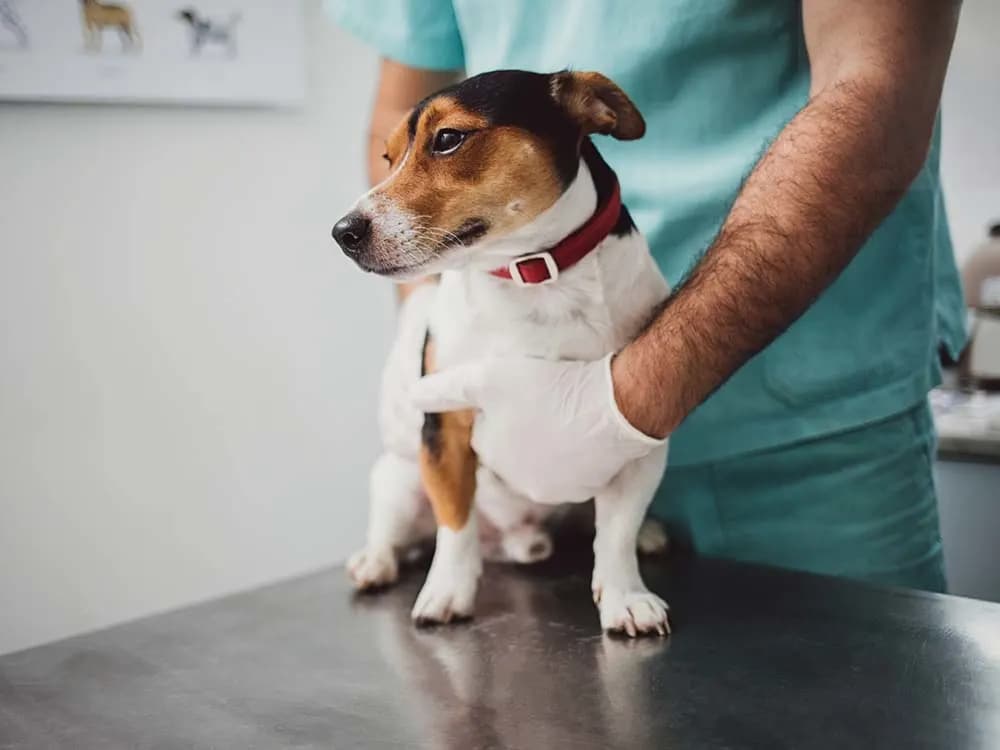
Veterinary staff are trained to empty anal glands completely, assess the contents for signs of infection, and can rule out more serious changes to the anal glands like cancer. Your vet will let you know if your dog needs to see them for routine anal gland expressions, or if seeing a groomer or waiting for new signs of a problem is OK.
Regular grooming appointments to partially express a dog’s anal glands can be helpful. But remember that groomers are not emptying the glands completely, and for some dogs, that isn’t enough.

Here are some signs your dog needs medical attention.
There are many ways to help a dog avoid anal gland issues.
Give them a fiber supplement.
Speak to a vet about maintaining allergy control or treatment.
Have your dog’s anal glands checked after a bout of diarrhea has resolved.
Exercise them regularly.
Talk to your vet about an appropriate diet to maintain a healthy weight and lower GI (gastrointestinal) inflammation.
Although it is technically possible to express your dog’s anal glands at home, you are likely to cause more inflammation than a professional would — and you risk starting a cycle of your dog always needing anal gland expressions. It’s better and safer to leave it to the professionals.
If a dog becomes scared enough, they can accidentally express their anal glands when they tense up. You may suddenly detect that fishy smell when you’re near them afterwards. Cleaning the area under the tail and around the anus with dish soap and warm water, and patting dry afterwards, should remove the smell. If they get anal gland contents on you, you’ll need to wash your clothes and/or your affected skin with soap and water.
Cats do have anal glands as well. A cat’s anal glands are more likely to become blocked by chunks of hardened anal-gland contents. So they may sometimes need those expressed by veterinary staff.
Radhakrishnan, Shalini. “Anal Glands and Anal Gland Abscess in Dogs and Cats.” Veterinary Information Network, Veterinary Partner, 6 Aug. 2020, veterinarypartner.vin.com/default.aspx?pid=19239&id=9759085.
Dr. Maria Zayas attended Ross University School of Veterinary Medicine where she completed her veterinary degree in addition to participating in and presenting research related to aquatic animal medicine. She spent her first year as a doctor working with a low cost spay/neuter and general practice clinic before returning to her home state of New York and entering the world of housecall veterinary medicine. Falling in love with this area of medicine, she launched her own housecall veterinary practice in addition to writing pet health articles. She loves all things related to water and continues to travel and explore with her three dogs and one cat, all of whom also love to swim.
Pet Wellness
Adoption Advice
Pet Wellness

Pet Wellness
Learn how to keep your adopted senior dog healthy and happy with this essential care advice.

Behavior & Training
This guide to bathroom breaks will help prevent accidents and keep your dog healthy.
Adoption Advice
Pet parenthood can be tough, but finding the right vet doesn’t need to be. These tips will help you find the right vet for your pup.
Pet Wellness
Does your dog have the itch? It could be this common, treatable skin condition. Here’s everything you need to know about the Ringworm.

Pet Wellness
From eye infections to breathing problems, here are health issues you should know about before adopting a French Bulldog.

Shelters & Rescue
These cruel, unethical businesses are often hiding in plain sight. Here’s how to spot them.