9 Most Common Chihuahua Health Problems
These cute little pups can develop not-so-cute problems. Here’s how to prevent and detect their common health issues.
These cute little pups can develop not-so-cute problems. Here’s how to prevent and detect their common health issues.
by Adrienne A. Kruzer, BBA, RVT, LVT, | January 23, 2026
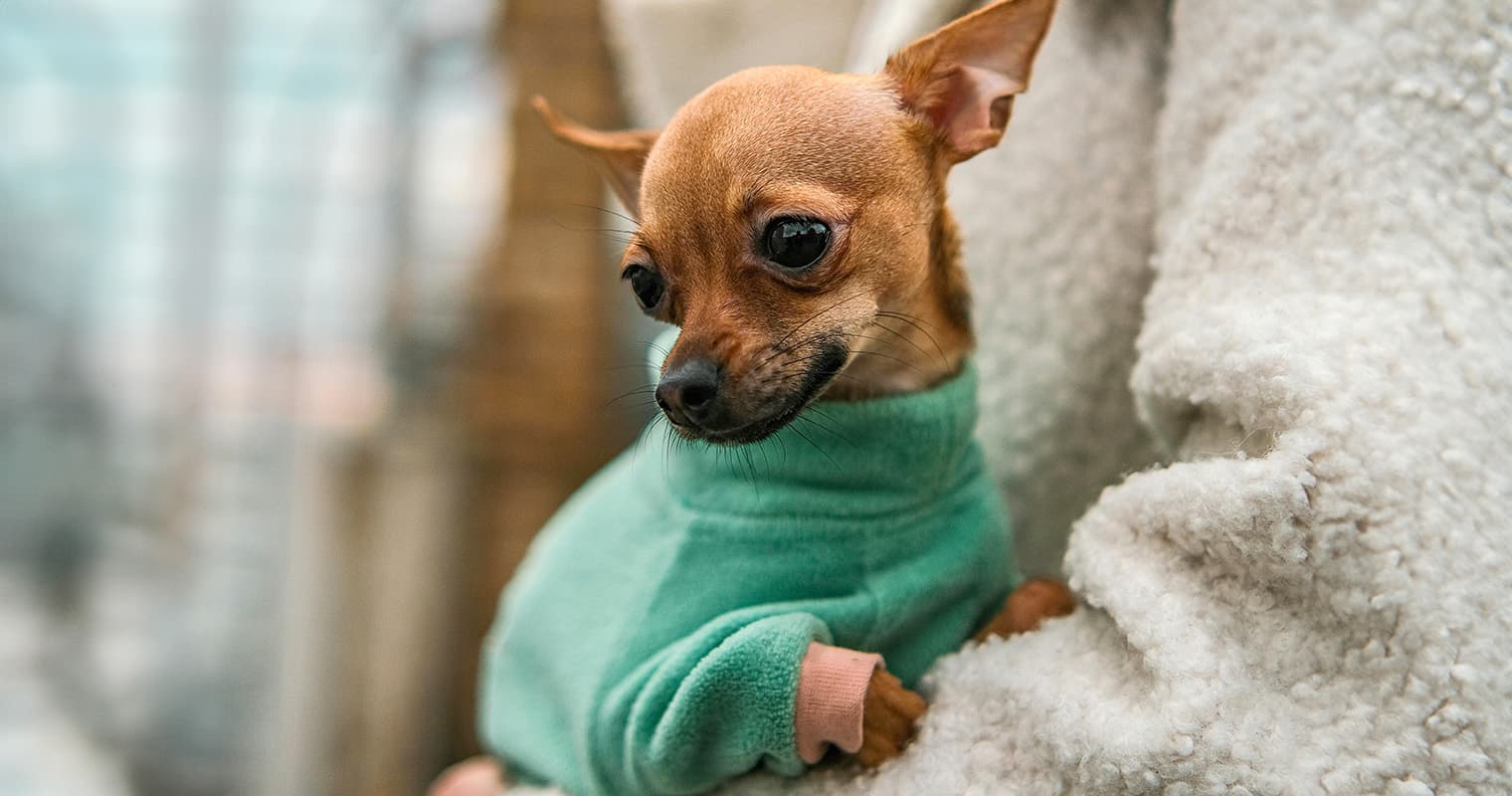
Small and mighty, Chihuahuas may be pocket-size, but their personalities are anything but. Before getting a Chihuahua or Chihuahua mix, it’s important to be aware of their tendency to develop certain health concerns. It’s definitely worth your time to learn how to be the best pet parent for your Chihuahua — by protecting them from common health issues and spotting signs of potential health problems early on.
Dental issues, patellar luxation (where the kneecap dislocates), and heart problems can occur as a dog ages, so you should be prepared to care for their specific medical needs. Read on to learn more about common Chihuahua health concerns and how to keep these tiny dogs happy and healthy.

Shutterstock
They may have tiny bodies, but their lack of body mass unfortunately doesn’t mean they are immune to developing health problems. Like many small and toy dog breeds, Chihuahua dog health problems can include being born with loose patellas, hydrocephalus, and heart issues. But eye, dental, tracheal, and other problems can also develop during their lifetime.
Knowing which health problems Chihuahuas commonly have will empower you to recognize potential signs that your dog may need some help, as well as ways you may prevent some issues from occurring in the first place.
Any dog can become obese, and Chihuahuas are no exception. Some pet parents falsely assume that because of their small size, Chihuahuas don’t require much exercise, and they need to have food accessible at all times to maintain their blood sugar levels. Chihuahuas are very active and need space to play and run, so if they do not receive enough exercise and eat as much as they want, they will likely become obese.
Watch for reduced stamina, trouble jumping, or ribs that are no longer easy to feel. Obesity can often be treated with diet changes, measured portions, and a realistic exercise plan your vet can help tailor. Chihuahua obesity can create and worsen a variety of health problems, so it is best avoided with proper nutrition and exercise.

Regular vet visits are key to keeping your pet healthy. Here’s what happens during a checkup, when to get them, and what to bring.
Also known as loose patellas, Chihuahuas are prone to being born with kneecaps that can slide out of place. This condition can cause limping, lameness, and pain. Many luxating patella problems in Chihuahuas are minor, but your veterinarian will be able to tell you how bad they are by assigning a numbered grade to them. If your Chihuahua’s loose kneecaps are really bad, surgery may be necessary to correct the problem. So, if you notice they skip a step, hold up a back leg, or suddenly start limping, then seem fine, a luxating patella may be the cause.
According to Cornell University College of Veterinary Medicine, more than 80 percent of small-breed dogs experience dental problems by the age of three, and Chihuahuas are no exception. Chihuahuas have compact little mouths that predispose them to dental and gum disease. Additionally, they are likely to retain their baby teeth, which overcrowd the rest of their teeth. This more easily traps food between them. Retained and diseased teeth may need to be extracted to prevent infection, but regular at-home dental care is a must for these small mouths to prevent gum (or periodontal) disease and dental issues.
Bad breath, red gums, drooling, or dropping food can signal dental trouble. Professional cleanings, extractions when needed, and at-home brushing can make a huge difference — and help protect their heart and kidneys too.

Also, learn about a step-by-step way to peacefully introduce them to toothbrushing as a way to maintain their health.
The trachea is also known as the windpipe. In Chihuahuas, the cartilage that holds the windpipe open so air can easily pass through can collapse. When this occurs, the trachea collapses, too, resulting in coughing and difficulty breathing. A dry, honking cough — especially when excited or pulling on a collar — is a classic sign. Treatment may include weight management, medication, and switching to a harness to reduce airway pressure.
Due to their genetics, Chihuahuas commonly suffer from heart disease — so much so that it is the leading cause of death for the breed. One study found that among recorded deaths, 18 percent died from heart disease. Most of their heart problems are due to leaky heart valves, and this eventually leads to heart failure. Your veterinarian will listen to your dog’s heart at each check-up for heart murmurs. Coughing, fatigue, fainting, or trouble breathing can point to heart issues, which are common in small breeds.
If signs of heart disease are detected, medications, exercise restrictions, and dietary changes may be recommended to slow the progress of the disease.
Eye problems can be very painful and cause blindness if left untreated. Cloudiness, squinting, discharge, or redness shouldn’t be ignored. Eye issues are often treatable with medication, but delays can lead to permanent damage. Examples of eye problems found in Chihuahuas include cataracts, dry eye, glaucoma, and other issues, so if your dog is holding an eye shut or pawing at it, be sure to have your veterinarian check it out.
Sometimes referred to as water on the brain, hydrocephalus is a congenital issue that is especially seen in Chihuahuas with dome-shaped heads. With hydrocephalus, pressure is put on the brain and can cause seizures, a dulled mental state, walking in circles, and other problems. Treatment depends on severity and can include medication or surgery.
A painful hip condition, legg-calve-perthes disease, occurs when the hip bone starts to degenerate. It is typically seen in dogs who are under one year of age, and may require surgery to allow a dog to walk pain-free.
If a young Chihuahua develops a persistent limp or pain in a back leg, this hip disorder could be the cause. Mild cases may improve with rest and pain management; severe cases are often treated surgically, with good outcomes.
All animals have specific blood sugar levels in their bodies that allow them to metabolize energy. When this blood-sugar level drops too low, lethargy, weakness, confusion, collapse, and even seizures can occur. This low blood-sugar episode is called hypoglycemia and most commonly occurs in young Chihuahuas who skip a meal or exert too much energy. If you suspect your Chihuahua has low blood sugar, contact your veterinarian right away.

Bianca Beltrán / Pexels
Two things you can do to help prevent common health problems in your Chihuahua: regular toothbrushing (to prevent dental disease) and using a harness with a handle (instead of a collar) to easily remove your Chihuahua from danger or assist them in getting on and off furniture. But here are a few other tips to prevent common Chihuahua health issues.
Chihuahuas should be fed a balanced dog food that has been formulated by a veterinary nutritionist. Their food should be measured out at meal times to help them avoid obesity, but specific nutritional needs for your dog should also be discussed with your veterinarian. Small, geriatric, and young Chihuahuas may also require frequent meals to maintain their blood sugar levels. Additionally, feeding them multiple small meals throughout the day will help prevent episodes of low blood sugar. But ensure the total calories you feed them are not causing your Chihuahua to become obese.
Unless you suspect they have a health problem, yearly visits to the vet are recommended until your Chihuahua is about seven years of age. Annual vet visits will help your vet provide preventative care and catch concerning issues. But as they age, vet visits every six months will be recommended, because older Chihuahuas are more likely to develop health issues.

This may depend on your dog’s age and health, but it’s always important to set a routine.
While long-haired Chihuahuas may need more frequent brushing than those with short hair, Chihuahuas have fairly low-maintenance coats and needs. Aside from the daily tooth brushing that is recommended for all dogs, occasional combing or brushing of their coats, ear cleaning, nail trimmings, and baths are all the grooming needs that most Chihuahuas require.
Caring for a Chihuahua includes all the typical things any dog will need, but you’ll also want to consider their small size.
Chihuahuas can easily escape through door openings, so having baby gates in doorways can be a huge help.
These small dogs are easily hidden and may even accidentally trip people as they run around their feet, so having a bell on their collar can help you locate them.
They may be unable to safely jump on and off furniture without assistance, so doggie steps next to your sofas and beds will help your little dog stay safe and comfortable.
Additionally, Chihuahuas can be sensitive to extreme temperatures and may require extra care — and clothing — in cold weather.
There is, of course, no guarantee that your Chihuahua will live into their mid-teens, but a Chihuahua’s lifespan is usually 14 to 16 years of age. This is longer than most larger breed dogs, so Chihuahuas are considered to have long lifespans.
Chihuahuas are predisposed to several health issues. Some of the most common include heart disease, dental and gum disease, loose patellas, obesity, hydrocephalus, hypoglycemia, collapsing trachea, legg-calve-perthes disease, and eye problems.
“American Kennel Club.” American Kennel Club, 2017, www.akc.org/dog-breeds/chihuahua. Accessed 4 Jan. 2025.
“Chihuahua.” Central Texas Veterinary Specialty & Emergency Hospital, 2016, ctvsh.com/services/dogs/breeds/chihuahua.html. Accessed 4 Jan. 2025.
O’Neill, Dan G., et al. “Demography and Commonly Recorded Clinical Conditions of Chihuahuas under Primary Veterinary Care in the UK in 2016.” BMC Veterinary Research, vol. 16, no. 1, 12 Feb. 2020, https://doi.org/10.1186/s12917-020-2258-1.

Adrienne Kruzer is an accomplished veterinary technician and writer with over 15 years of hands-on experience caring for domestic and exotic animals.

Breed Info

Adoption Advice

Behavior & Training

Shelters & Rescue
These dog breeds often fill shelters — discover the reasons behind their frequent surrenders.

Adoption Advice
Wondering what to expect from your puppy’s first vet visit? Read more to learn about how to prepare and what to expect.
Adoption Advice
Pet parenthood can be tough, but finding the right vet doesn’t need to be. These tips will help you find the right vet for your pup.
Adoption Advice
From avoiding behavior issues to preventing unwanted pups, there are several reasons why it makes a whole lot of sense.

Breed Info
Even though smaller dogs live longer, big dogs can still pack a healthy punch.

Breed Info
Pedigreed pups are tied with mixed breeds for some disorders — but mutts reign supreme.