Why Does My Dog Seem Scared of Me All of a Sudden?
No, you didn’t emotionally ruin your dog — here’s how to understand developmental fear in dogs.
No, you didn’t emotionally ruin your dog — here’s how to understand developmental fear in dogs.
by Kelly Villa, expert review by Mia Nguyen, CPDT-KA, FFCP | April 21, 2026
Aleksey Boyko / Shutterstock
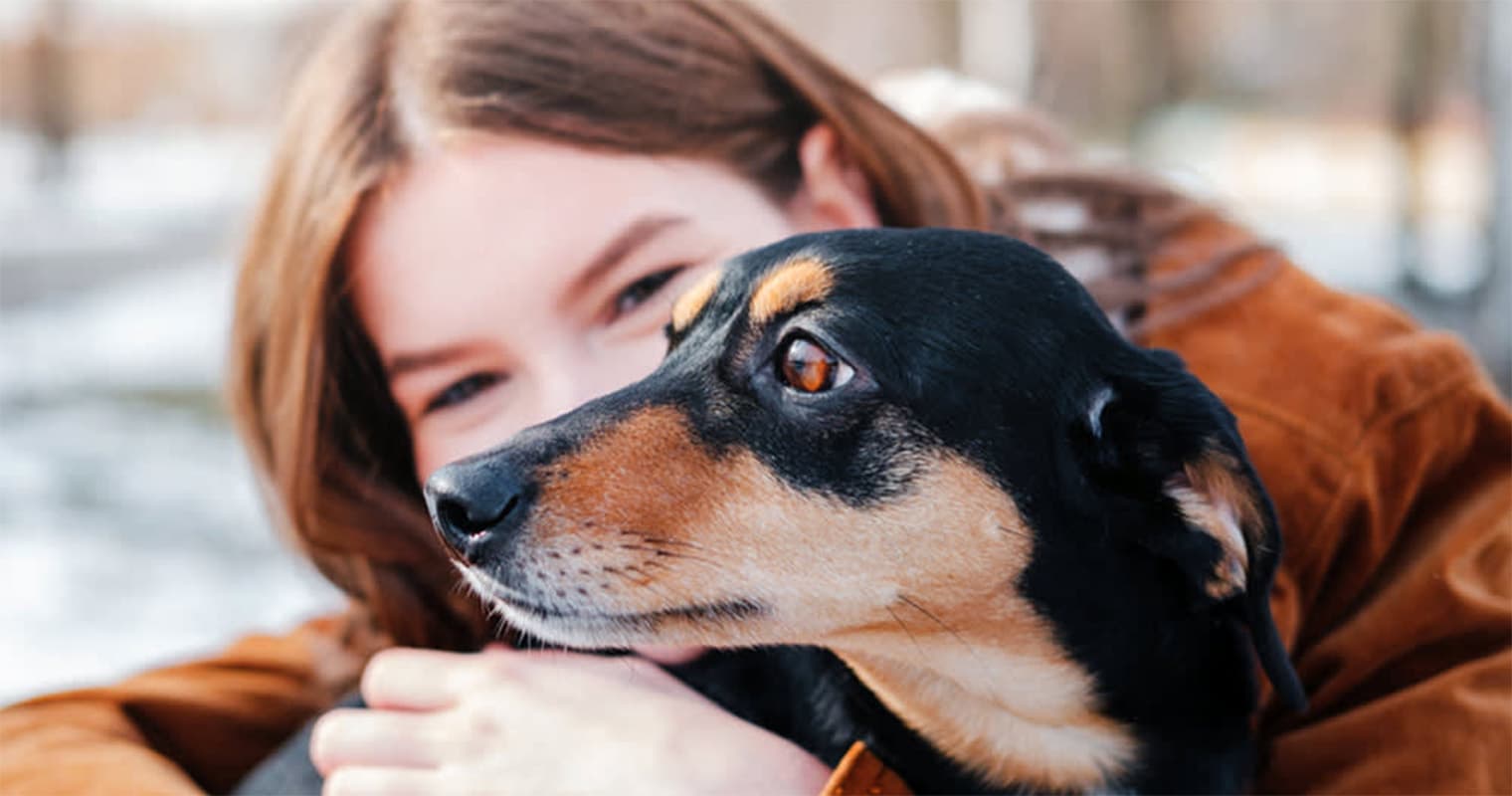
“Why is my dog acting scared all of a sudden?” This is a natural question for a pet parent whose once secure puppy has suddenly become fearful of them. While it makes sense to feel concerned (and maybe even offended) by this shift, it’s important to consider that your dog may be experiencing a normal developmental phase called a “fear period.”
One common reason young dogs and puppies may suddenly seem to be nervous or scared of novel experiences is something called “fear periods.” These are times during which young dogs are more likely to become cautious of things that may not have previously bothered them.
The first fear period happens around the time puppies leave their litter at eight to 11 weeks old, at which point they are exposed to a new environment without the protection of their mother.
The second fear period in dogs generally happens when they’re between six and 14 months.
These phases are associated with points in a puppy’s life when learning to be cautious helps keep them safe. Some signs your dog is fearful include body language such as crouching, lying down and freezing, panting, yawning, putting their ears back, and tucking their tail.
These phases help teach young dogs when to be more wary, and are just that: phases. So, if you suddenly find your dog cowering when they hear a loud car pass or running away from house guests, don’t panic. These fear periods generally last a few weeks and, if addressed, will not have lasting effects.
There are many reasons a dog may be scared or nervous around you, even if they’re not in a developmental stage when fear is more natural. Fear can be a normal part of their process of acclimating to their new environment, especially if the dog is new to your family. If they had negative experiences in past homes or kennels, they may carry that fear into your home. If your dog is not in a fear stage and has suddenly started reacting to you with signs of fear, it’s also possible your dog had a scary experience that they’ve come to associate with you.
No matter the cause, if your dog is showing signs of fear around you, it’s important to work to build their trust in you. If your dog seems fearful, remain calm and speak to them in a relaxed, cheerful way to put them at ease. You can also try getting low and giving them something they love, such as a treat, to develop positive associations with you. Be sure to give them space if they are showing signs of fear with physical contact or closeness.
If your dog remains fearful for longer than a few weeks, they are probably not going through a developmental phase and may need more help overcoming their fearfulness. In this case, it’s important to recognize these signs as soon as possible and consult a veterinarian to make sure there isn’t an underlying medical issue causing the fear. You may also want to talk to an animal behavior specialist for individual, tailored support to help your dog overcome their fear.

Kelly Villa is a freelance writer and contributor to various pet publications.
Behavior & Training

Behavior & Training

Behavior & Training
Behavior & Training
Behavior & Training
Here are some tips that might work to stop your dog from chewing holes in your stuff.

Behavior & Training
What to try before medication — and how to know when it's time to call your vet.