How to Calm an Anxious Dog Naturally
What to try before medication — and how to know when it's time to call your vet.
What to try before medication — and how to know when it's time to call your vet.
by Dr. Amy Fox, DVM, | March 26, 2026
Karolina Grabowska / Kaboompics
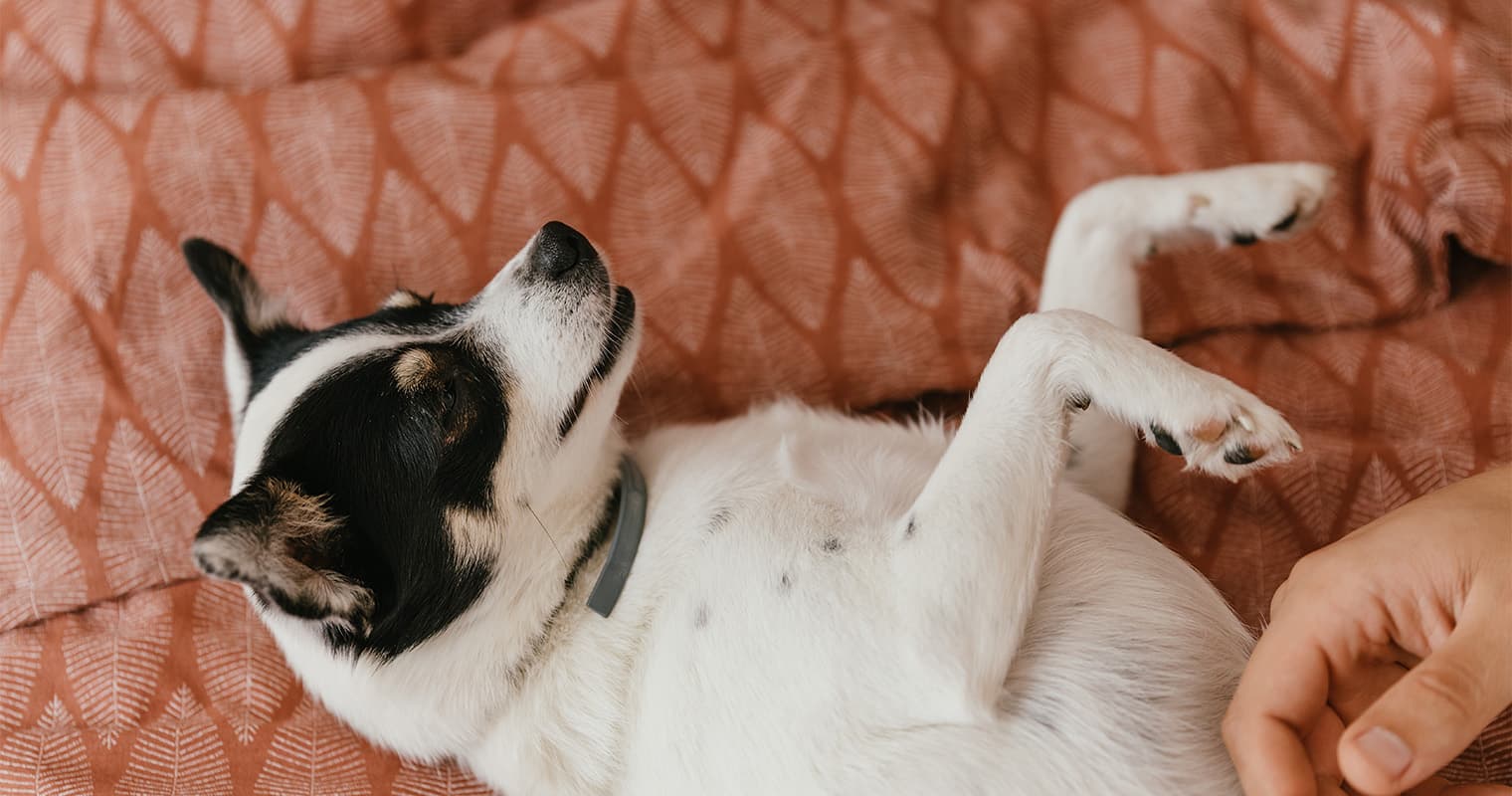
You can calm your dog’s anxiety naturally by ensuring your dog gets plenty of exercise, extra playtime, and massages. How well the natural remedies work will depend on the severity of the anxiety and will vary by dog.
Anxiety looks different in every dog, but some of the most common signs to watch for include:
Excessive barking or whining, especially when left alone
Panting or pacing without an obvious cause
Destructive behavior such as chewing furniture or scratching doors
Trembling or shaking
Trying to hide or escape
Loss of appetite
Accidents in the house from a dog who is otherwise house-trained
Some of these can also be signs of an underlying medical issue, so if you’re seeing them for the first time or they’re getting worse, it’s worth a call to your vet before assuming anxiety is the culprit.

What it actually works for — and when to skip it
Whether your dog suffers from separation anxiety or behavioral anxiety, finding a solution that calms your pet is a must. No good pet parent wants to see their dog suffer, but reluctance to start your dog on prescription anxiety medication is understandable. If you prefer a natural way to calm your dog’s anxiety, here are a few things to try:
If you have a very active or anxious dog, there are also other important steps to take to work with them on these behaviors. These include:
Giving your active dog plenty of time to burn off their energy is a great way to calm them down. Long walks, time at a doggie daycare, trips to the dog park, agility training, or tossing a ball around your yard are a few ways to allow your dog to be more active. Dogs need physical activity just like people, and some breeds need a lot more than others. If you have a high-energy dog, be sure you are giving them constructive outlets to exercise — otherwise, they may find destructive habits that are not to your liking.
Giving your dog’s brain a workout is just as important as giving their body a workout. A puzzle toy that makes your pup work for a treat is a great way to engage their brain and help curb boredom. Other ways to provide enrichment include training sessions to teach your pup new cues and tricks, time for socialization with other dogs, and sensory experiences with music, different scents, and/or flavors.
Dogs are creatures of habit in the best possible way. A predictable daily schedule, meaning consistent feeding times, walks at the same time of day, and a regular bedtime, helps give anxious dogs a framework they can count on. When they know what’s coming next, there’s a lot less to worry about. It sounds simple, but for a lot of dogs, structure alone makes a meaningful difference.
One common complaint among dog parents with very active dogs is that it’s difficult to walk them because they are always pulling on the lead or otherwise engaging in unwanted behaviors. This conduct can be modified with proper training. Even the most energetic dogs can be taught to behave, and most pet parents are surprised by how quickly the training kicks in. Training is also very important for anxious dogs as behavior modification techniques can help your dog overcome fears, desensitize to triggers, and build confidence. Working with a behaviorist or trainer is a good idea in these cases as your dog’s anxiety should be properly diagnosed in order to craft the most effective training approach.
This is one option that many pet parents don’t consider, but food can impact your dog’s behavior. It is important to ensure your dog is eating a complete and balanced diet suited to their life stage and needs. Dogs who are not eating an appropriate diet could be at risk for nutritional deficiencies, which can sometimes affect their behavior as well as their overall health. There are even some treats and diets out there formulated to provide calming effects, although many of these have not been rigorously studied to know if they are truly effective. If your dog’s not sure how to choose the best food for your dog, check out our dog and cat nutrition page or talk to your vet for advice.
There are a handful of low-effort, drug-free tools worth having in your back pocket.
Pressure garments. Thundershirts and similar wraps apply gentle, steady pressure that mimics the feeling of being held — helpful for situational anxiety such as thunderstorms, fireworks, or travel.
Pheromone products. Diffusers, sprays, and calming collars such as Adaptil release synthetic versions of the calming signals dogs naturally produce. They won’t fix severe anxiety on their own, but as part of a broader approach, they can take the edge off.
Music. Classical music and playlists specifically designed for dogs can help drown out triggering sounds and create a calmer environment when you’re away. Worth leaving on when you head out.
Massage and grooming. Slow, gentle strokes along your dog’s back and shoulders release tension and promote relaxation — for both of you. Regular grooming serves a similar purpose and has the added benefit of being a bonding experience your dog can come to look forward to.
If you’ve worked through this list and your dog is still struggling, that’s not a failure on your part — some dogs have anxiety that genuinely requires more than lifestyle changes and calming tools. A veterinary behaviorist can help diagnose what’s actually driving the anxiety and build a treatment plan around it, which may include prescription medications. For moderate to severe anxiety, medication isn’t a last resort — it’s often what makes everything else actually work. Your regular vet is a good first call, and they can refer you to a behaviorist if needed.

Amy Fox, DVM is a small animal veterinarian in New York City. She has worked in many different settings including shelter medicine, emergency medicine, general practice, and animal cruelty and forensics. She is especially interested in nutrition, preventative medicine and care for senior pets. Dr. Fox also enjoys writing about veterinary medicine and teaching. In her free time she loves to cook, garden, and go for long runs.

Behavior & Training

Behavior & Training
Behavior & Training

Behavior & Training
Behavior & Training
Here are nine things you can do to help your dog be less anxious in your absence.

Behavior & Training
Behavior & Training
Behavior & Training
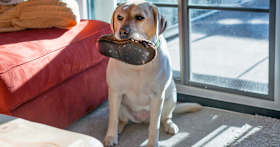
Here are some tips that might work to stop your dog from chewing holes in your stuff.
Behavior & Training

Behavior & Training
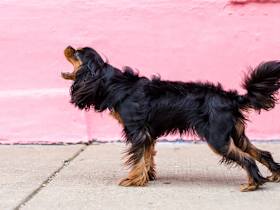
If your dog won’t stop barking, don’t despair. There are several steps you can take to train your dog to quiet down.