How to Save on the Cost of Cat Ownership
Learn about the best ways to cut pet costs while giving your cat the best life and care possible.
Learn about the best ways to cut pet costs while giving your cat the best life and care possible.
by Janelle Leeson, | November 25, 2025

Seleznov_Molchanova / Adobe Stock
Bringing a cat home — whether they’re your very first pet or your first in a long while — is exciting. The anticipation of tiny toe beans, soft purrs, and a new companion can definitely take center stage. But if you’ve looked at your grocery bill lately, you also know the cost of living is climbing. This includes the cost of pet food, veterinary care, and everyday cat supplies.
Before bringing home that sweet shelter kitten or making the leap to add a second cat to your household, it’s a good idea to look beyond the initial adoption fee and get a realistic picture of today’s cost of cat ownership. The good news is that there are practical strategies and support systems that can make life with a cat more affordable, without compromising your pet’s health or happiness.
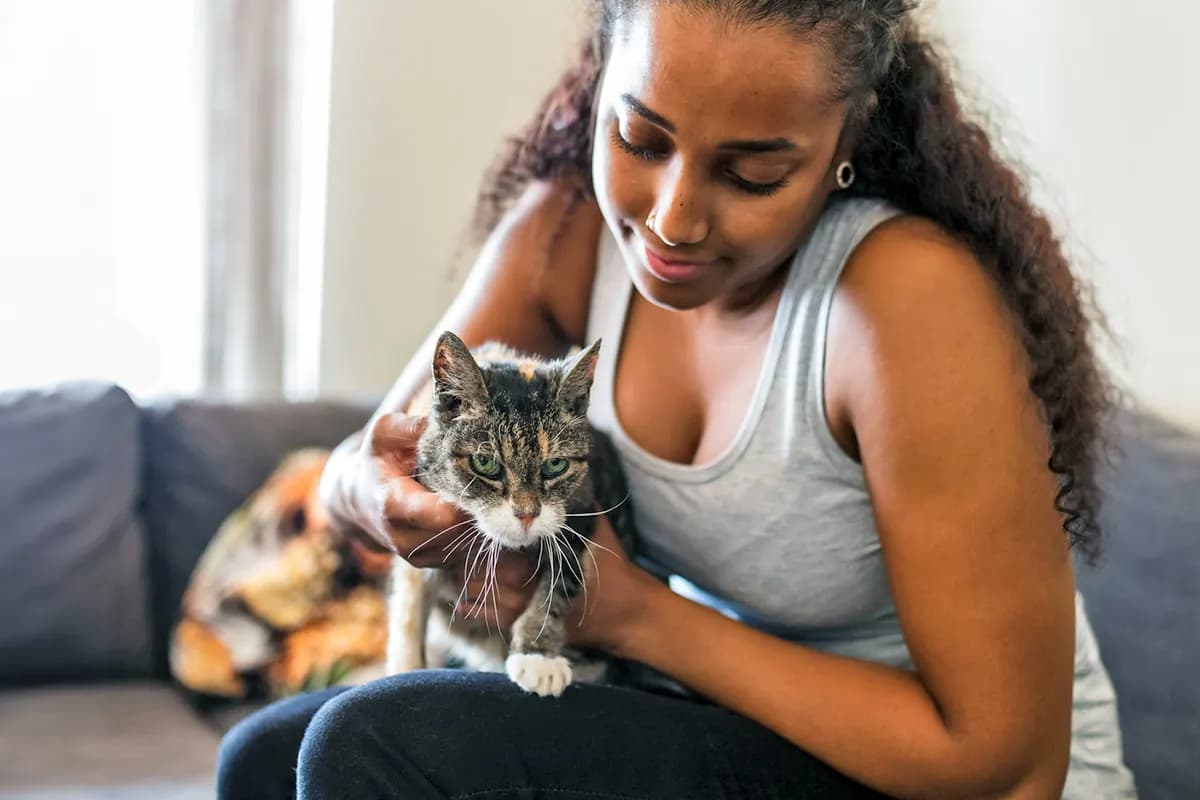
Diego Martin / Stocksy
When the idea of a new pet enters the picture, it’s easy to get wrapped up in the excitement of it all. However, pet parents can’t put their finances on the back burner when deciding to welcome another family member into their home.
“When families cannot afford to put food on the table for themselves, they face the same challenge of putting food in the bowl for their pet,” says Julie Castle, CEO of Best Friends Animal Shelter.
Below, we break down the average upfront costs of adopting a cat.
Expense | Adoption/Rescue |
|---|---|
Carrier | $20 to $200 |
Food and water bowls | $10 to $400 |
Litter box, scoop, and litter | $35 to $700+ |
Food and treats | $15 to $60+ |
Grooming supplies (nail clipper and brush) | $15 to $30 |
Enrichment (bed, cat tree, scratching post, and toys) | $100+ |
$25 to $250 | |
Spay/neuter surgery | $0 (often included) |
Pet insurance sign-up fee | $0 to $35 (optional) |
Pet insurance premium | $30 to $70 (optional) |
$55 to $105 | |
Initial vaccines (FVRCP, Rabies) | $0 (often included) |
Deworming | $0 (often included) |
$0 (often included) | |
Exam cost + $25 to $50 per vaccine | |
Estimated total | $385 to $2,135+ |
And costs skyrocket when buying from a breeder rather than adopting. Expect to pay up to $1500 or more to purchase a purebred cat, and pay up to $1000 more in initial health services, such as spaying and neutering, initial vaccines, or other items not included that are typically included with an adoption through a shelter or rescue.
Note: Many shelters and rescues recommend or require that kittens be adopted in pairs, which can increase initial and ongoing cat-care costs.
According to the American Veterinary Medical Association (AVMA), cat parents spend an average of $1,700 a year on cat care. Considering the average lifespan of a cat, this could add up to around $26,000 over your cat’s lifetime. The reality is that this total will likely be higher as costs continue to rise.
That said, your yearly cost can vary a lot depending on where you live, your food choices, your cat’s medical needs, and for some families, the cost of pet care when traveling.
For example, I live in Portland, Oregon, and spend about $2,200 per year on one cat, not including illness or injury. Meanwhile, my mom, who lives in a rural Ohio town, spends closer to $800 per year by choosing budget-friendly food and litter, relying on friends and family for pet sitting, and accessing lower-cost veterinary care.
Here’s a realistic cost breakdown using 2025 pricing-range averages — sourced from major retailers, as well as data from veterinary surveys and reports.
Expense | Estimated Annual Cost |
|---|---|
Annual wellness exam and medical expenses | Basic wellness exam only: $55 to $105 Optional bloodwork: $265 every few years or annually for senior cats (10+ years). Dental cleaning: $200 to $500 every few years. Senior cats may need exams twice a year. |
Pet insurance premium | $360 to $840 (optional) |
Parasite prevention | $90 to $150 |
Food | $200 to $600 |
Litter | $100 to $300 |
Toys, scratchers, and beds | $25 to $100 |
Pet sitting or boarding | $0 to $100+ |

Jaromír Chalabala / Alamy
Even with thoughtful planning, pet parents can’t always predict financial hardships. Because money is one of the top reasons pets are surrendered, organizations like Best Friends Animal Society have established programs aimed at keeping pets with their families.
“This may come in the form of starting a pet food pantry, offering low-cost veterinary care for owned pets, or even helping someone pay their pet deposit,” Castle says.
Whether you’re searching for community resources or simply looking for smart ways to stretch your budget, the tips below can help you save on pet care costs.
Veterinary care is a necessity for all pets, but the cost can be hard to swallow. According to the AVMA, veterinary care accounted for 32.4 percent of pet parents’ total household pet-related expenses in 2025, with those with cats spending an average of $529 annually — well above the cost of a simple yearly wellness exam.
However, there are ways to make vet care more affordable without compromising your cat’s health.
Consider pet insurance: Insurance can save you money if your cat becomes ill or injured.
Ask for a vet tech for boosters: Some clinics allow vet techs to administer routine vaccines at a lower cost than a vet visit.
Ask about payment plans: Many veterinary clinics offer financing options to spread out larger bills.
Get help from nonprofits and charities: Organizations can cover the cost of care for eligible pets.
Keep up with routine annual visits: Catching issues early often prevents expensive treatments later.
Keep your cat at a healthy weight: Obesity increases the risk of illnesses and injuries. Feed them measured meals, and play with your cat daily.
Keep your cat indoors: Indoor cats are less likely to get injuries, parasites, or infectious diseases.
Spay or neuter your cat: This reduces the risk of certain cancers, infections, and behavior-related injuries, such as fighting.
For a deeper dive into ways to save on veterinary care, check out our guide to cost-saving tips at the vet.
It’s easy to get swept up in the buzz around fresh, human-grade, or organic pet food. However, according to veterinarian Dr. Caitlin Johnson, what matters most isn’t what’s trending — it’s making sure the food is formulated for your cat’s life stage (kitten or adult) and has a nutritional statement from the Association of American Feed Control Officials (AAFCO).
“A statement from AAFCO on the label is a quick way to make sure the food you are feeding your pet is balanced and not lacking in certain key nutrients,” she explains.
If you want to stretch your budget while still feeding your kitty a nutritious diet, here are some easy ways to save.
Buy in bulk: Canned food stays shelf-stable for years, and dry food can stay fresh for two to three months when stored in an airtight container.
Consider dry food over wet: Kibble tends to be more affordable per serving than wet cat food.
Look for quality, budget-friendly brands: Johnson recommends Purina One and Iams ProActive Health because they are well-established brands with board-certified veterinary nutritionists on staff.
Over the last decade, pet products have become fancy: self-cleaning litter boxes, water fountains, timed feeders. These items reflect a cultural shift. Our pets really are part of the family, and for many people, the added convenience of these products is worth the cost.
But the truth is, your cat doesn’t need high-tech gear to be healthy and happy. But they do need you to scoop their litter box daily, refresh their water regularly, and offer play and enrichment.
If you want save on pet supply costs, here are more tips.
Buy secondhand when safe: Cat trees, beds, toys, and carriers can often be found through Facebook Marketplace, community swaps, thrift stores, or even buy nothing groups. However, used litter boxes are not recommended.
DIY enrichment: A cardboard box or a paper bag can be just as enriching as store-bought toys.
Rotate supplies rather than buying more: Store toys, scratchers, and beds out of sight, and reintroduce them to your cat, who will think they’re brand new. Store toys in a zip-top bag with catnip between rotations for even more appeal.
If you anticipate finances being a barrier to providing long-term care, it’s okay to make the thoughtful decision not to adopt right now. That doesn’t mean you have to miss out on the joy and companionship of a pet.
Many shelters and animal rescue groups have foster programs that allow you to bring a pet into your home with virtually no financial expense. The shelter covers the cost of food, supplies, and veterinary care, while you provide them with a safe, temporary home.
The benefit of fostering is mutual, Castle says: “Not only will you be providing a loving, quiet place for pets to learn and grow, you’re helping to save even more lives by freeing up space in shelters for additional dogs and cats.”
Pet adoption fees typically range from $25 to $250 for cats and kittens. Adult cats usually have lower adoption fees than kittens. This is due to the high demand for kittens and the extra difficulty shelters face placing older, but equally wonderful, mature cats into homes. For the lowest adoption cost, look for special events and adoption promotions, or consider adopting an adult or senior cat.
Yes, for many cat parents, pet insurance is worth the investment. There is a statistical likelihood that your cat will face an unexpected illness or injury at least once in their lifetime. Considering that 59 percent of Americans don’t have enough savings to cover an unexpected $1,000 emergency expense, insurance is a vital safety net that allows you to prioritize your cat’s health over the expense. That said, pet insurance may not be worth the high cost (or even an option) if your cat is older or has a preexisting condition. If that’s the case, it may be better to set up an emergency savings fund or consider a pet wellness plan.

Janelle Leeson is a Portland, Oregon-based freelance writer. Her work has been featured in magazines such as Inside Your Dog’s Mind, Inside Your Cat’s Mind, and Paw Print, as well online at Insider Reviews, NBC Select, Shop Today, PetMD, and Daily Paws. She has two adventure cats, a flock of urban chickens, and a soon-to-be-husband who doesn’t mind housing the occasional foster cat — or five.

Pet Wellness

Adoption Advice

Adoption Advice

Adoption Advice
Dealing with high vet bills? See assistance options for affordable pet care. Get the support your pet needs without breaking the bank.

Adoption Advice
Is the responsibility of taking care of your pet causing you to worry about your budget? Rest assured, there are a number of ways to minimize this financial stress.

Adoption Advice
Here are some important factors to consider when deciding how big to grow your feline family.

Adoption Advice
Thinking of adopting a cat? Learn more about the costs of pet parenthood.

Pet Wellness
Is one better than the other? Here's what you need to know.