Does Your Dog Actually *Need* Winter Boots?
Here’s why you might want to protect those toe beans.
Here’s why you might want to protect those toe beans.
by Courtney Elliott, expert review by Dr. Ray Spragley, DVM, CVA, CCRT | November 2, 2026
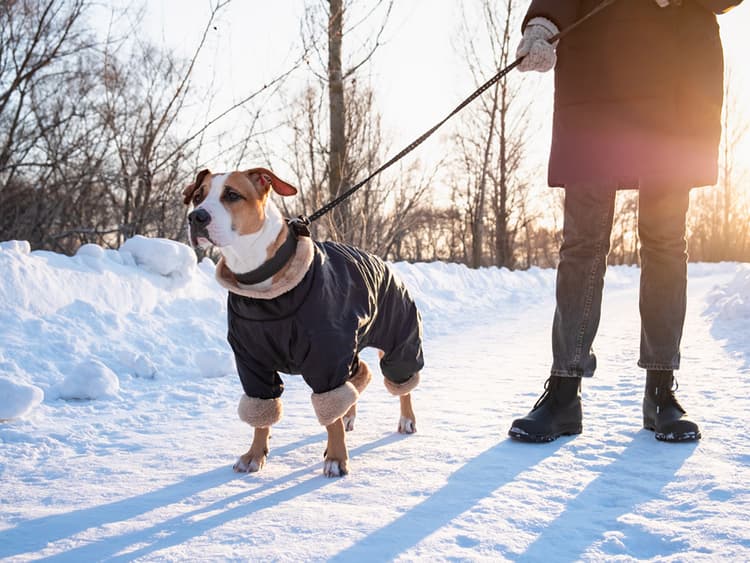
Cavan Images / Alamy Stock Photo
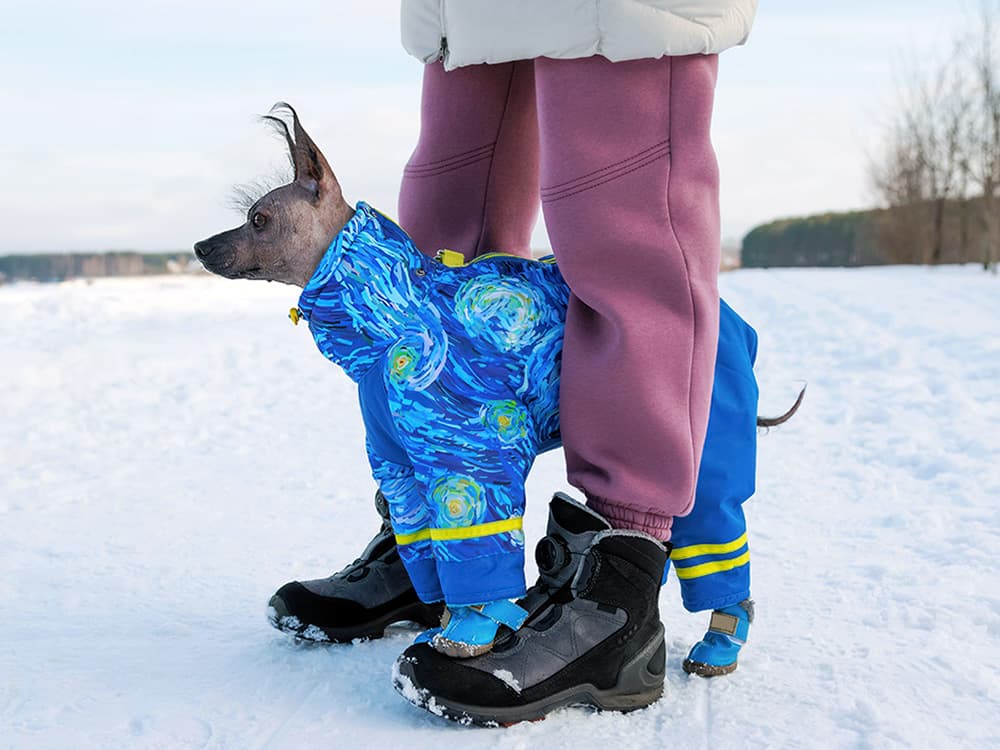
Walking the dog during the peak of winter can feel like a tactical operation — get in and out before frostbite sets in and your neighbor Susan tries to strike up a convo (and, let’s be real, so you can quickly return to binge-watching Pluribus). In your rush, you might overlook a crucial element of your pup’s winter ensemble: dog booties. Far from being just a fashion statement, these paw protectors play a necessary role in keeping your dog’s paws safe from the perils of icy terrain. They’re a blend of practicality and panache that’ll have your pooch turning heads (and tails) on those chilly walks.
When choosing a pair of dog boots for winter, the most important thing is finding the right fit — too small, and you’ll hurt their paws; too big, and your dog might end up pulling some fancy dance moves as they attempt to navigate the oversized shoes.
The Goldilocks principle applies: Aim for that perfect fit — not too small, not too big, but just right. In addition to choosing boots with the right fit, you should make sure they’re insulated to shield those sensitive paws from the wintry temps. Ideally, they also come equipped with water-resistant material to fend off snow and slush.
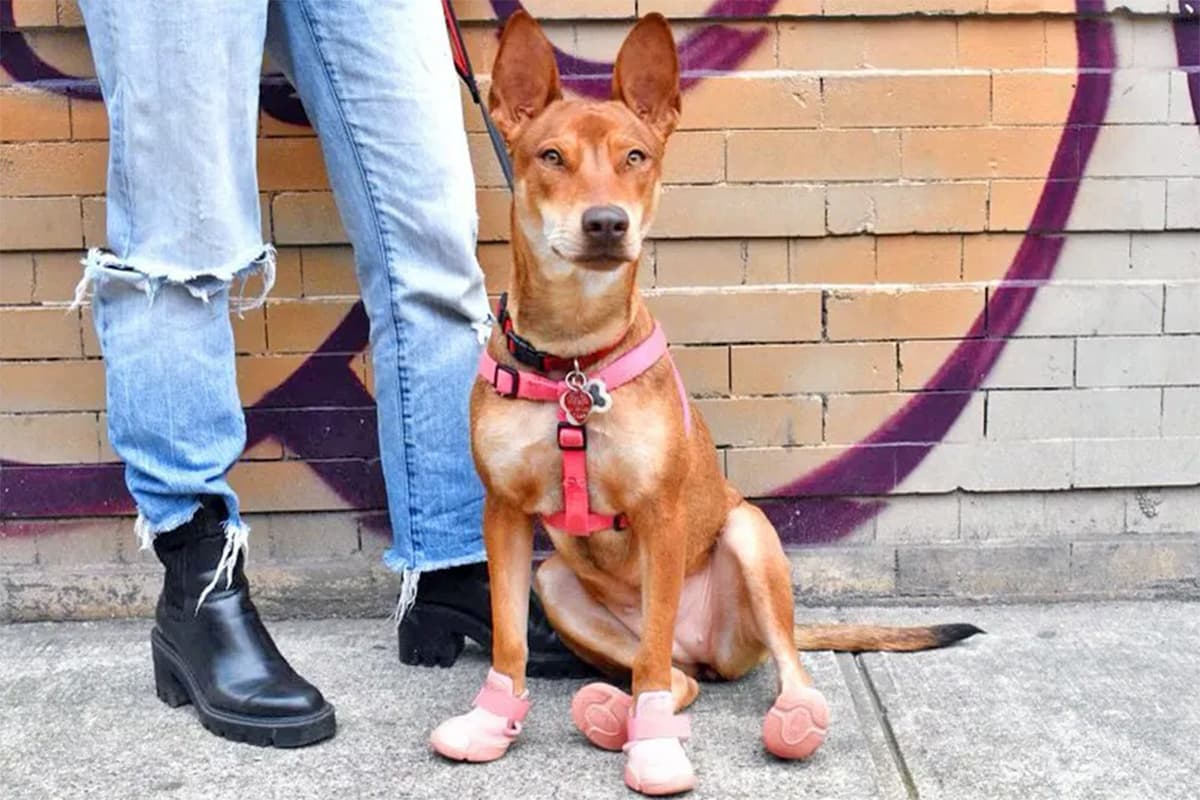
Photo Courtesy of @rifrufqueens
As much as you might love those viral videos of dogs awkwardly stumbling in their brand new boots, dogs don’t need boots in all situations. Yes, boots can be great paw protectors in extreme conditions — but their necessity depends on the temperature, what type of snow you’re dealing with, how long you’ll be outside, and most importantly, your dog’s individual needs.
Adopt a Pet chatted with Dr. Colleen Lambo, veterinarian at The Vets, about when it’s necessary to suit your pup up in winter boots. In general, veterinarians recommend dogs wear winter boots in the following conditions:
Cold temperatures: Dogs may need boots in extreme cold when walking on icy sidewalks or snow, as these conditions can cause discomfort or frostbite.
Sharp objects: In snowy or icy conditions, hidden sharp objects, like glass or debris, can cause paw injuries.
Snow and ice melt chemicals: If your area uses de-icing chemicals on roads and sidewalks, these substances can be harmful to your dog’s paws.
Salt and sand: These substances used for traction can be abrasive to a dog’s paw pads, causing irritation or injury.
Whether your dog needs boots also depends on factors such as age, breed, and individual health issues. “While dog boots can be beneficial for many dogs during winter, certain breeds and individual dogs may need them more,” Dr. Lambo explains. “Dogs with short fur or breeds that are not naturally suited for cold weather may need boots. Some dogs have more sensitive paws, and boots can provide extra protection.”
And how to help them move those little legs.
Dr. Lambo also mentions that seniors and puppies are good candidates for dog boots, because they may struggle with temperature regulation and are more vulnerable to the cold. At the end of the day, it’s best to ask your veterinarian if your dog should use boots.
When it comes to dog boots, it can be tempting to forego this wardrobe addition because it’s yet another step in your dog walking routine. But there are some key indicators that winter dog boots are a necessity, and they may end up saving you time and money down the road (aka vet bills for getting that paw injury treated). Here are some signs your dog should wear winter boots:
Frequent lifting of paws or limping during walks in the cold
Development of redness, cracks, or sores on paw pads
Excessive licking or chewing on their paws after exposure to snow or ice melt
Signs of discomfort, shivering, or unwillingness to continue the walk in wintry conditions
Simone Hogan / Shutterstock
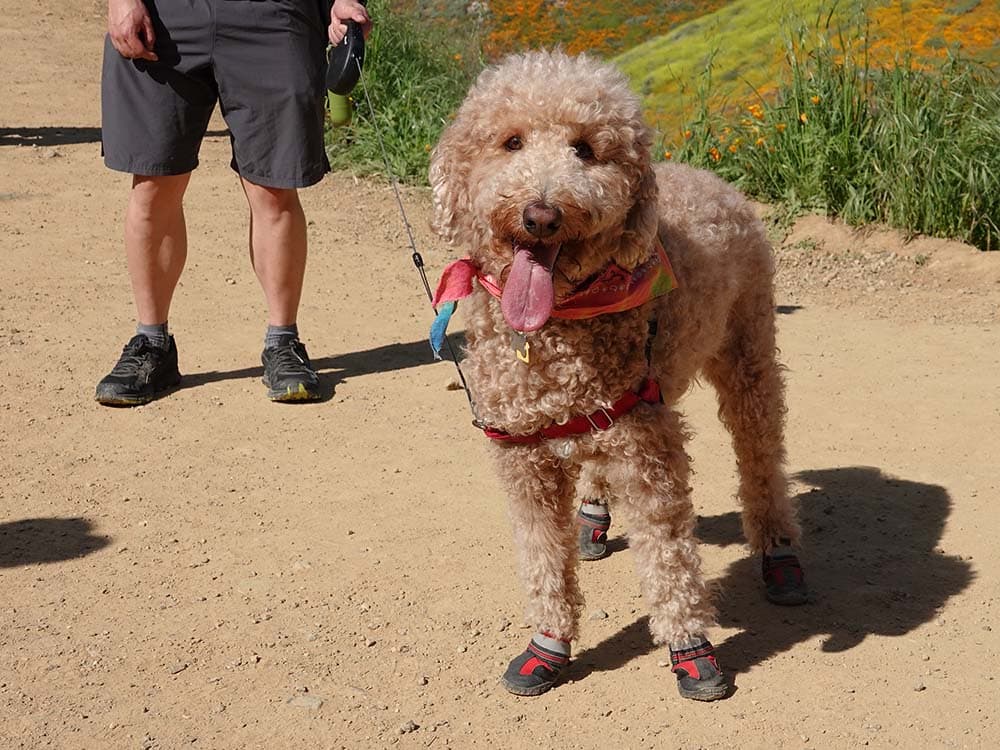
There are hundreds of winter dog boots on the market, so it can be hard to figure out which ones to buy. Do you go for the heavy-duty, water-resistant ones or opt for simple slip-ons? Well, it depends on a few factors. According to Dr. Lambo, here’s what you should consider when choosing winter boots for your dog:
Size and fit: Measure your dog’s paws to ensure the boots fit comfortably. They should be snug but not too tight.
Durability: Look for boots made of durable materials that can withstand various conditions.
Traction: Choose boots with good traction to prevent slipping on icy surfaces.
Waterproofing: Waterproof boots are essential for keeping paws dry in snowy and wet conditions.
Ease of application: Select boots that are easy to put on and take off, as this will make the process smoother for both you and your dog.
Budget: While your dog deserves the best, consider your budget when selecting winter boots. Finding the right balance between quality and cost ensures protected paws without pinching pennies.

We all have to up our moisturizing game in the fall and winter.
Finding the best winter dog boots for your pup is the first step — now getting them to wear them is a whole other feat. When trying to get your dog to get used to wearing boots, Dr. Lambo gives the following tips:
Introduce boots gradually: Begin by letting your dog sniff and explore the boots. Then, put one boot on and reward with treats and praise. Gradually increase the number of boots.
Positive associations: Make the experience positive with treats, play, and lots of encouragement.
Short practice sessions: Keep initial boot-wearing sessions short, gradually extending the time as your dog gets used to them.
Practice indoors: Start indoors in a comfortable, familiar environment before venturing out into the cold.
Don’t get discouraged if it takes your dog a while to get used to them — we’ve all had to take our time breaking in a pair of boots, right?
“Remember that some dogs may adapt quickly, while others may need more time to adjust to wearing boots,” Dr. Lambo says. “Be patient and persistent, and focus on your dog’s comfort and safety during winter outings.”
Last but not least, once you get back from those wintry walks, Dr. Lambo recommends taking the boots off immediately, because feet can get yeasty. Let those babies air out before your next frosty adventure, and you’ll be good to go.
Yes, winter boots can be beneficial for older dogs in the snow. As dogs age, their paw pads become more sensitive, and exposure to cold surfaces, snow, and ice can cause discomfort. Winter boots provide insulation, protecting their paws from the cold and preventing potential injuries, making snowy walks more comfortable for older dogs.
Yes, boots can be a valuable accessory for dogs during hiking adventures. Whether navigating rocky terrains, abrasive surfaces, or encountering extreme weather conditions, boots offer protection against injuries, cuts, and discomfort. The durable soles provide traction and ensure a secure grip on various surfaces.
Measuring your dog’s paw for winter boots is a simple process. Use a soft measuring tape or a piece of string to measure the width and length of the paw when bearing weight. Take the measurement from the widest part of the paw and include the length from the back of the pad to the tip of the toenail. Once you have the measurements, refer to the specific sizing chart provided by the boot manufacturer to ensure an accurate fit for your dog’s paws.

Courtney Elliott, a proud Cleveland native living in Manhattan, blends her decade of writing and editing expertise with her unshakable devotion as a pet parent to her French Bulldog, Gus. When she’s not at her desk, you’ll find her frolicking in Central Park or engrossed in a good book at a local coffee shop.
Behavior & Training

Pet Wellness

Behavior & Training

Pet Wellness
How to make the snowy season your dog's favorite time of year.
Behavior & Training
And how to help them move those little legs.

Lifestyle
You — yes you! — can be one of those fun people who runs with your dog. Just be smart about it.
