Spotting and Treating Hip Dysplasia in Your Labrador
Many Labradors have the potential to develop this joint issue. Here’s how to prevent it and, if necessary, treat it.
Many Labradors have the potential to develop this joint issue. Here’s how to prevent it and, if necessary, treat it.
by Dr. Maria Zayas, DVM, | December 9, 2025
dekazigzag / Shutterstock
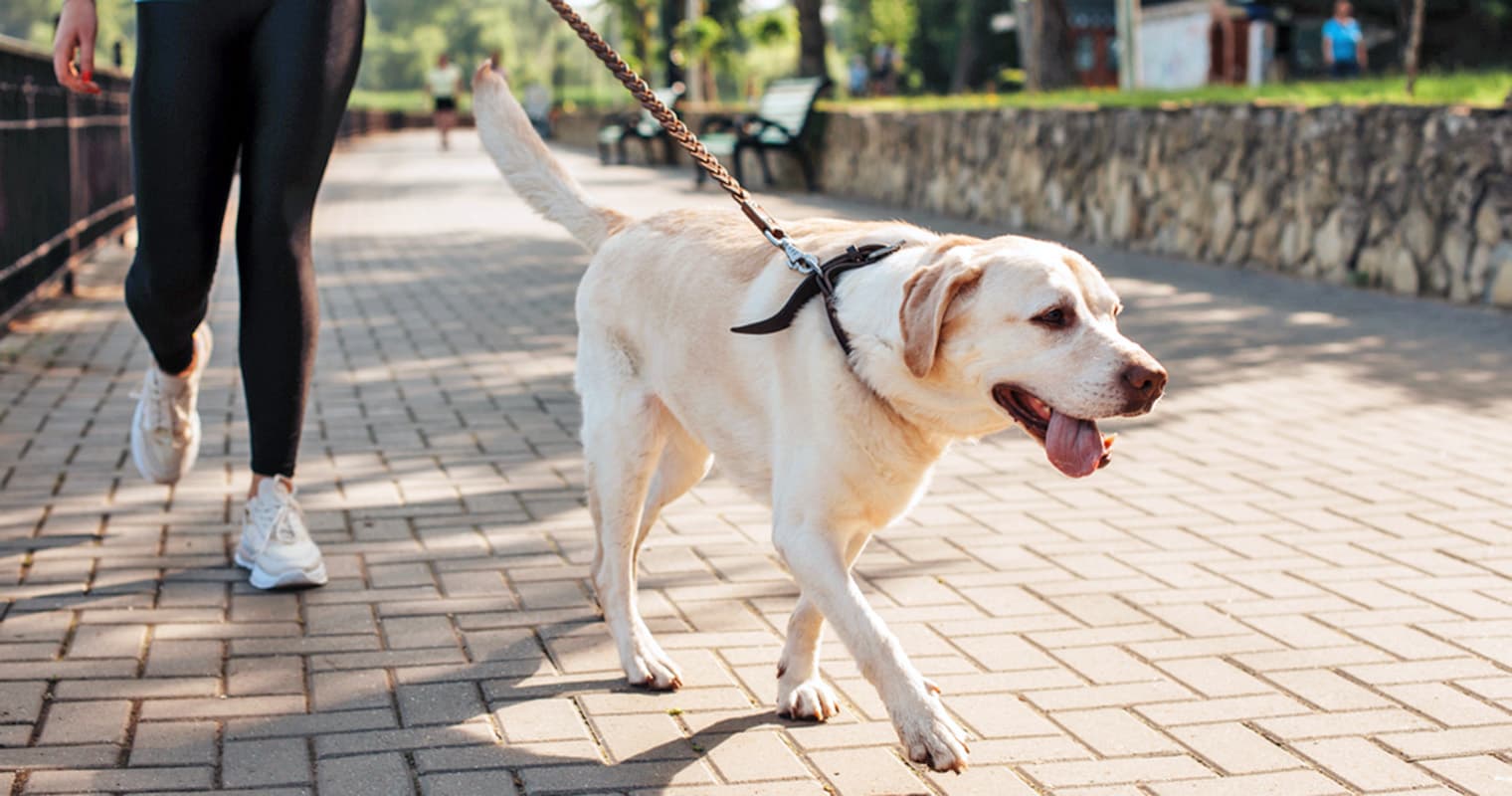
Estimates show that up to 10 percent of Labrador Retrievers will suffer from hip dysplasia during their lifetimes. This painful, degenerative joint disease of the hips can be diagnosed in young Labrador puppies or later in middle age.
Because this is a chronic condition that may require costly treatment, it helps to understand the condition. For instance, early detection is key to having the best long-term outcomes — and weight gain in puppies and young adults is one of the largest risk factors for hip dysplasia in Labradors and other dogs.
Below is everything you need to know about detecting hip dysplasia in your Labrador Retriever, what treatment costs, and what you can do to possibly prevent it.
Most dogs with hip dysplasia are born with perfectly normal hips, but by the time they’re two months old, there’s a noticeable shift in their joints. The bones of their hip joint may no longer line up appropriately, making the joint “loose.”This often affects both the left and right hip joints.
This change is due to the supportive ligaments that hold a dog’s thigh bone to their hips being too long, too loose, and not covering enough of the joint. This allows the head of the thigh bone to move around sideways in the joint, instead of rotating smoothly in place.
All this extra movement can chip away at the protective cartilage lining the joint space. As you can imagine, this is often painful for dogs and can cause a dog to limp or move stiffly to avoid that awful scraping feeling in the joint. The longer things remain unstable in the joint without supportive treatments, the more severe the joint degeneration can be.
In most cases, dogs with hip dysplasia can develop looseness in their hip joints (known as laxity) when they’re as young as seven weeks old. If they aren’t already showing signs of hip dysplasia by one to two years of age, they will probably not show signs until they are several years older, or around middle age for the breed.
Pet parenthood can be tough, but finding the right vet doesn’t need to be. These tips will help you find the right vet for your pup.
Large-breed dogs, especially those with thicker bodies and more muscle mass, are more likely to develop hip dysplasia. This is because there is simply more stress on the joint, more body to hold up.
Although hip dysplasia can be present in small dogs and even cats, it is most common in breeds such as Labrador Retrievers, but also Mastiffs, Golden Retrievers, and St. Bernards. Leaner large-breed dogs, such as Greyhounds, are less likely to have hip dysplasia because there is less body weight straining their joints.
Signs of hip dysplasia in dogs usually occur due to pain in their hip joints. Although X-rays are often used to check for canine hip dysplasia, there can be a large mismatch between signs of pain, other symptoms of hip dysplasia, and what can be seen on an X-ray.
Sometimes, in severe enough cases, abnormal gaits (due to an unstable joint rather than a painful one) can be seen first. Some of the early signs of hip dysplasia to watch for include:
Struggling to stand
Exercise intolerance
Crying or becoming aggressive when the hind end is touched
Lameness or limping that comes and goes, but is persistent
“Goofy” sitting postures, sometimes wide, sometimes narrow
“Bunny-hopping” when running, taking stairs, or climbing hills
Trouble jumping
As the disease progresses, signs of arthritis and degeneration of the joint with hip dysplasia will include:
Muscle loss
Short strides with the back legs
Reluctance to bend the back legs, such as for standing or sitting
Rotation of the back legs inwards (or outwards)
Standing with the weight shifted to the front end, leaning forward
A wide or narrow-legged stance with the back legs
Loss of the ability to run or even walk far
Chronic panting
Increased anxiety
Appetite loss
AdobeStock
Hip dysplasia doesn’t have one root cause — it can be caused by many things. Below are some of the most common factors to consider in hip dysplasia.
One very important factor is genetics. It is common in certain breeds and can be prevented by breeding dogs who don’t carry a gene for hip dysplasia. Although that sounds simple, the problem is that there are more than 30 genes identified in Labrador Retrievers linked to hip dysplasia. So avoiding it altogether can be hard. There is genetic testing available for hip dysplasia in Labradors, but because it doesn’t detect all known genes, it is currently not very effective at preventing hip dysplasia in puppies.
The next most important risk factor is weight. Puppies who gain weight too quickly are more likely to develop hip dysplasia, and large breed dogs who are overweight (or gain weight quickly at any point in their lives) are at risk of developing hip dysplasia. It is very important that large-breed dogs eat a large-breed-formula diet at volumes that keep them at a lean, normal body weight.
Excess calcium in the diet has been linked to hip dysplasia in Labs. If your Lab is eating a standard commercial diet, they do not need a multivitamin — or any other vitamin or mineral supplement — unless prescribed by their vet.
Homemade diet recipes often include a multivitamin supplement. It is very important not to use an online canine-diet recipe or build a homemade diet recipe yourself for this very reason. Instead, consult a veterinary nutritionist who can create a homemade diet plan based on your dog’s breed, sex, weight, age, current health conditions, and more. This way, your pup won’t have an increased risk of expensive and painful joint issues like hip dysplasia.
Starting joint supplements early can help large-breed dogs like Labradors avoid signs of hip dysplasia as they age. Common examples include:
Glucosamine chondroitin
Green lipped mussel extract
Omega-3 fatty acids
Eggshell membrane
Be sure to ask your vet when you can start giving joint supplements to your dog if they are a large breed at risk for hip dysplasia, such as Labs.
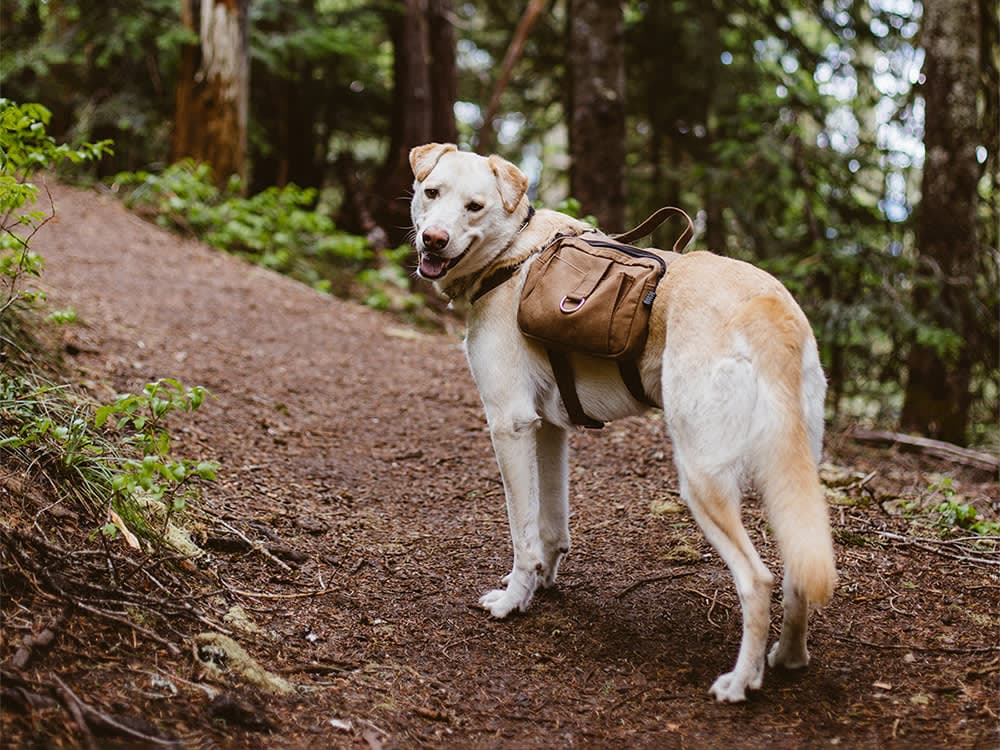
Regular exercise, even from a young age, can help prevent hip dysplasia in Labradors. Although going for runs when they’re under six months of age can increase the risk of hip dysplasia, off-leash, self-paced adventuring (which is common on farms with puppies under six months of age) has been shown to lower hip dysplasia rates in breeds like Labradors. Regular moderate exercise in dogs who are over a year old helps maintain their muscles and keep their joints mobile and comfortable for longer.
Always take your Lab to annual vet examinations. If you have been noticing changes in their energy level, agility, or gait, let your vet know. Early detection can really help prevent severe cases of hip dysplasia.
Amy Covington / Stocksy
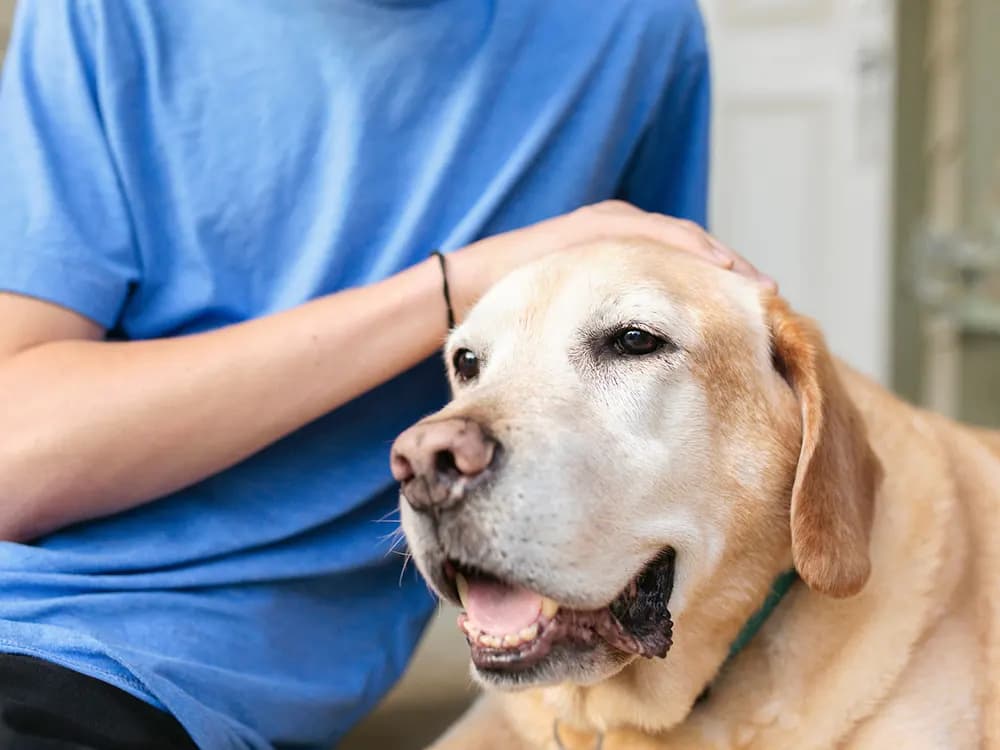
There are many ways to treat hip dysplasia once it is found. In fact, about 75 percent of cases do not require surgery and can be treated with joint supplements, pain medication, and weight management.
Medical management includes non-steroidal anti-inflammatory medication (NSAIDs), additional pain medications, joint supplements, and sometimes additional recommendations such as laser therapy, acupuncture, PEMF, and physical therapy or rehab. The scale of treatment and management can vastly change the price, but this will generally cost $50 to $300 per month.
A total hip replacement is the most effective surgical treatment for hip dysplasia, with the best long-term outcomes. The size and age of your Lab, as well as where you live, can significantly affect the price of this surgery. Still, it is safe to estimate that the cost will be $7,000 to $10,000 per hip.

Regular vet visits are key to keeping your pet healthy. Here’s what happens during a checkup, when to get them, and what to bring.
When the cost of a total hip replacement is too high, the next best option is a surgery called a femoral head osteotomy (FHO). This surgery usually costs close to $1,000 to $4000 per hip. Although cheaper, this option can also be hard for Labradors to get, because it is not available above a certain weight range, depending on the hospital. It is common for Labradors to be too big to get this surgery, and Labrador Retriever parents should be prepared to seek a total hip replacement if their dog develops a severe enough case of hip dysplasia.
Some less common and more situational surgeries to address hip dysplasia include:
Juvenile pubic symphysiodesis (JPS)
Triple pelvic osteotomy (TPO)
Double pelvic osteotomy (DPO)
Sometimes X-rays can help us tell if surgery is needed, but mostly, symptoms of pain and responses to medical treatments will determine if surgery is recommended. Some surgeries can only be performed in young puppies, but have good outcomes. They may be recommended as soon as hip dysplasia is found, regardless of symptoms, because the puppy cannot wait for surgery later.
Just because a dog carries a gene for hip dysplasia doesn’t mean that they will develop it. The best ways to prevent hip dysplasia in dogs are to manage their weight and nutrition closely, provide adequate but safe exercise, and start joint supplements at a young age.
Pet insurance will cover hip dysplasia surgeries in most cases, as long as you bought the insurance plan before a hip dysplasia diagnosis or before signs of hip dysplasia were found. This does vary by plan, and breeds who commonly get hip dysplasia risk not being covered for treatment by some plans. So it is important to do careful research when choosing a pet insurance plan.
“Orthopedic Surgery Pricing.” Colorado State University Veterinary Teaching Hospital, 5 June 2025, vetmedbiosci.colostate.edu/vth/services/orthopedic-surgery/orthopedic-surgery-pricing.
Sallander, Marie H., et al. “Diet, Exercise, and Weight as Risk Factors in Hip Dysplasia and Elbow Arthrosis in Labrador Retrievers.” The Journal of Nutrition, vol. 136, no. 7, 1 July 2006, pp. 2050S2052S, doi.org/10.1093/jn/136.7.2050s.
Shell, Linda, et al. “Hip Dysplasia (Canine) .” Veterinary Information Network, VINcyclopedia, 22 Apr. 2022, www.vin.com/doc/?id=4953618&pid=607.
Dr. Maria Zayas attended Ross University School of Veterinary Medicine where she completed her veterinary degree in addition to participating in and presenting research related to aquatic animal medicine. She spent her first year as a doctor working with a low cost spay/neuter and general practice clinic before returning to her home state of New York and entering the world of housecall veterinary medicine. Falling in love with this area of medicine, she launched her own housecall veterinary practice in addition to writing pet health articles. She loves all things related to water and continues to travel and explore with her three dogs and one cat, all of whom also love to swim.
Pet Wellness

Adoption Advice

Adoption Advice

Pet Wellness
What you should keep in mind when adopting this popular breed and their mixes.

Shelters & Rescue
In truth, most animal shelters will identify and treat a pet’s health problems pretty quickly. They’ll have all the information you need.

Adoption Advice
Dealing with high vet bills? See assistance options for affordable pet care. Get the support your pet needs without breaking the bank.

Pet Wellness
Also, learn about a step-by-step way to peacefully introduce them to toothbrushing as a way to maintain their health.
Adoption Advice
From avoiding behavior issues to preventing unwanted pups, there are several reasons why it makes a whole lot of sense.

Breed Info
Discover the factors affecting a dog’s lifespan, and learn why size matters for your pet’s longevity.