How Long Does It Take A Dog To Get Used To A New Home?
A realistic timeline for helping a dog settle into their new life.
A realistic timeline for helping a dog settle into their new life.
by Kelly Villa, | February 12, 2026
JulieAlexK / iStock
It can take weeks or even a few months for a dog to get used to a new home. Some dogs take longer than others, and some dogs may take longer to settle in. The good news is that, with time and your guidance, your dog will learn to be comfortable with their new family. Here's what you need to know about bringing home a dog.
Most dogs need about three months to fully get used to a new home. That timeline is often summed up by the 3-3-3 rule, but the bigger idea is simple: adjustment doesn’t happen overnight. Dogs move through stages as they learn who you are, how your home works, and what they can expect day to day. Here’s a timeline to set realistic expectations.
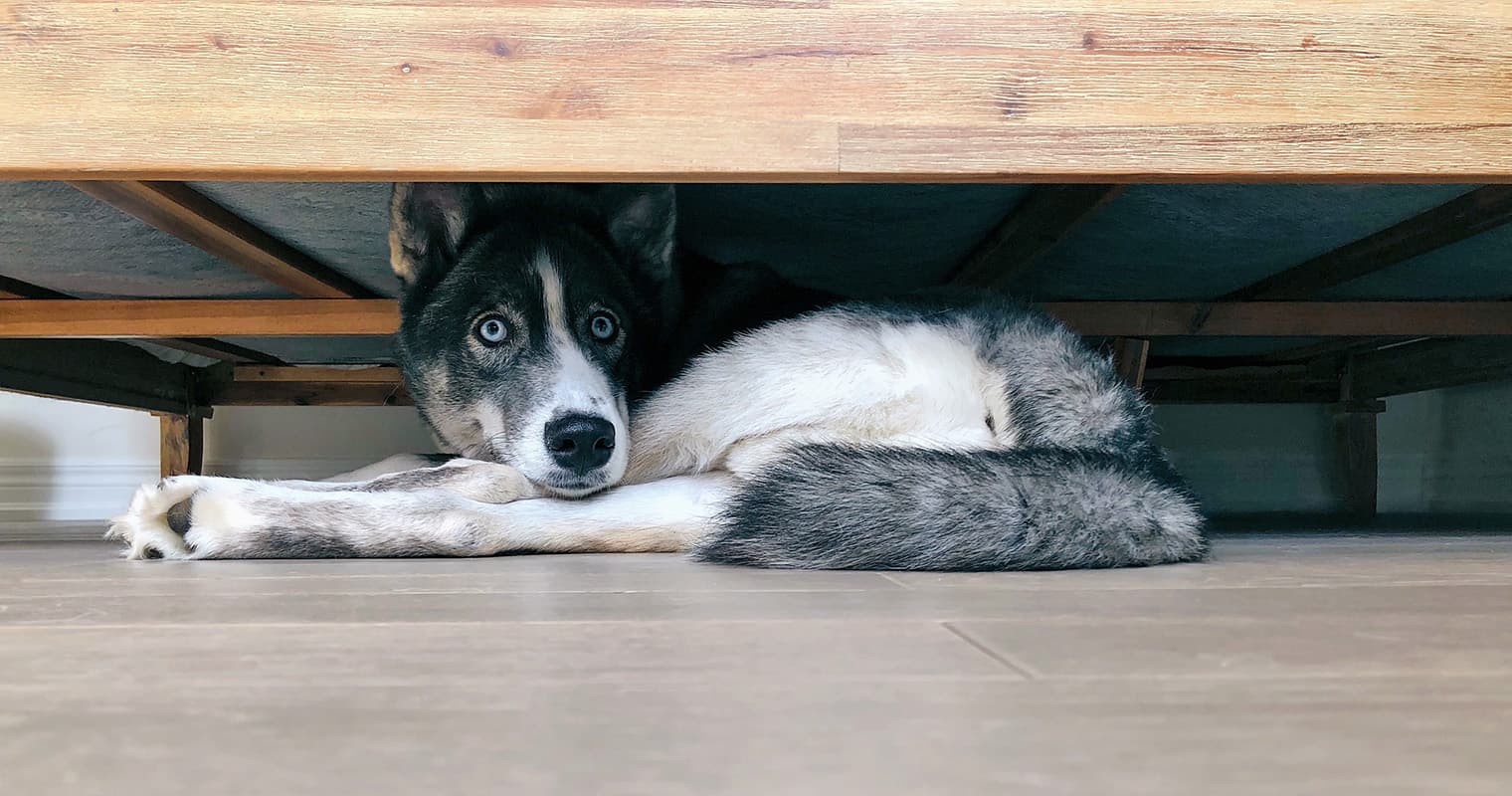
When a dog first arrives, everything is brand new — the home, the sounds, the smells, and you. It’s totally normal for them to be cautious, quiet, or even withdrawn. Some dogs might sleep a lot or hide, some may even have accidents even if they were previously house-trained. Keeping things calm and predictable while you start a simple feeding and potty routine helps them begin to decompress.

Find out how to set your adopted rescue dog up for success.
After that initial burst of newness wears off, most dogs begin to settle into your family’s rhythm. They might begin to recognize routines for meals, walks, play, and quiet time — this is when you’ll start to see more of their personality. They might test boundaries as they learn what’s expected, so consistency with basic cues and gentle feedback is clutch.
Around the three-month mark (though it may be sooner or later for some dogs, and that’s okay), many begin to feel comfortable at home. They generally know your schedules, have a stronger bond with you, and respond to training with more confidence. You’ll start trying new experiences together and helping them feel secure in a variety of environments.
Here are some positive signs that indicate your new family member is settling in comfortably and feeling relaxed:
Eating and drinking on a regular schedule
Sleeping more soundly and resting in open, shared spaces
Showing interest in play, toys, or enrichment
Seeking out attention or choosing to stay near their people
Responding more consistently to cues and routines
Exploring the home with confidence instead of hesitation
Recovering more quickly after new or stressful moments
Letting their personality show, quirks included

There are many resources to help new pet parents troubleshoot even the most frustrating adoption issues. But if those still don’t help, here’s what to do next.
Shelter and rescue employees will tell you that one of the frustrating things about their work is the number of dogs returned within a week or two because the adopter says they aren’t fitting in.
It’s unrealistic to expect a dog to walk through the door and instantly know all the rules or understand what behavior is acceptable. When a dog has lived in several homes, like occasionally some shelter/rescue dogs have, the challenge can be even greater.
Most shelters and rescues will provide instructions on how to properly integrate a dog into your home. It’s extremely important to follow these guidelines in order to facilitate a smooth transition for you and your new pet. These instructions will often be customized based on what the shelter or rescue organization knows about the dog’s behavior and background. If a reasonable amount of time has passed, you’re following the instructions, and you're still not seeing progress, talk to someone at the facility where you got the dog for additional support.
Most dogs are going to take a while to acclimate to a new home, but with patience and the right guidance, they’ll be a wonderful addition to your family in no time!

Kelly Villa is a freelance writer and contributor to various pet publications.

Behavior & Training

Behavior & Training

Behavior & Training

Behavior & Training
Sometimes it’s okay. Other times, it can mean they’re feeling discomfort. Which one applies to your dog? We help you figure that out.


Behavior & Training

Behavior & Training
Here are nine things you can do to help your dog be less anxious in your absence.

Behavior & Training
Does your dog bark when you leave? Explore helpful techniques to comfort and entertain your dogs while they’re home alone.

Adoption Advice
From fear to confidence: Here’s how to help your newly adopted anxious dog feel more secure.

Behavior & Training
Behavior & Training

Behavior & Training
Behavior & Training

Behavior & Training

Behavior & Training