How to Build Trust With Your New Dog
Some actionable strategies to get you and your BFF on the path towards bonding and trust.
Some actionable strategies to get you and your BFF on the path towards bonding and trust.
by Vivian Zottola, MSc, CBCC, | February 27, 2026

Pansfun Images / Stocksy
Building trust with a dog is a journey that requires patience, commitment, and realistic expectations. Just as forming a new friendship with a person takes time, so does building a bond with a dog. Ultimately, you’ll discover their likes and dislikes, share positive experiences, and gradually build a solid trusting relationship.
The basic needs we are expected to provide our dogs include access to food, clean water, regular veterinary care, potty breaks, mental/physical exercise, play, and social exposure to other animal friends. But it’s also your responsibility as an adopter to prioritize safety, satisfaction, and joy — which all dogs seek — especially when introducing them to a new home and new people.
Remember, the joy and satisfaction that comes from caring for a rescue dog is immeasurable. By doing so, we help them learn to trust. Let’s explore, in more detail, how to establish trust with your new dog.
While it may seem counterintuitive, giving your new rescue dog some space and independence — if that is what they desire — can actually strengthen the bond between you. Begin by establishing consistent routines for feeding and playtime, because this helps your dog feel secure. When they’re ready to engage, several activities can improve the relationship between new dogs and their adopters. According to the Human Animal Bond Research Institute, here are some of the most effective ones.
Behavior training focuses on establishing clear communication regarding desirable dog behaviors and is particularly beneficial for rescue dogs who may be uncertain about their new home. It promotes the use of praise and rewards — such as treats, toys, or affection — when the dog problem-solves or does desired behaviors. Focusing on what a rescue dog does right helps provide clear direction, reduces distress, and successfully promotes repeated preferred behavior in the long term.

Whether cuddling or going on adventures, spending time together builds emotional connections. It’s less about the activity and more about shared experience, about your dog learning that your company consistently feels good and safe. When time together isn’t always about structured, the emotional connection grows naturally.
Most dogs love being outdoors to smell, explore their surroundings, and interact with other dogs — which is essential for learning and maintaining social skills. That said, if your dog would rather not be around other dogs, go for a hike, by the beach or find an open area to explore together.

Regular grooming sessions, with their calming effects, not only help a dog get used to being handled but also provide a relaxing experience for their person. Over time, those quiet, repetitive moments build a kind of calm familiarity, where your dog relaxes not just because of the brush strokes, but because of the steady presence attached to them.
Challenging activities such as scent work have been shown to keep a dog happy and mentally sharp. When your dog learns that you’re the gateway to engaging, rewarding challenges, they begin to associate you with opportunity and enrichment rather than restriction. That mental connection strengthens trust in a quiet but powerful way.
Games such as tug-of-war, interactive toy sessions, and puzzle challenges offer a blend of excitement and cooperation, where your dog engages both physically and mentally while learning to follow cues and practice impulse control. Structured play creates clear boundaries — when the game starts, when it pauses, when it ends — which builds clarity and predictability into high-energy moments.

Petra / Pixabay
Engaging in games like agility, rally, trick training, or nose work with your dog enhances teamwork and strengthens your bond. These sports invite your dog to think, adjust, and try again while you support and celebrate their effort and that shared process of problem-solving builds resilience and mutual understanding. When your dog sees that you’re consistent, encouraging, and clear, even when things get challenging, trust becomes something they feel every time they step up to work with you.
Thoughtful socialization is essential and requires you to be mindful of your dog’s comfort level and safety. When you advocate for your dog, they develop more confidence and become ready to meet people and other dogs in controlled environments. They will look to you for guidance, trusting that you know what is best for them. As their confidence grows, they’ll naturally check in with you more often, trusting your judgment because experience has taught them you prioritize their safety.
Recognizing a dog’s stress responses and anticipating their needs — i.e. addressing their fears proactively — is crucial for building trust. Seeing your dog’s baseline behavior or how they act in different situations when they’re not overly excited or fearful is the first step. This will help you recognize when your dog is stressed or uncomfortable and allow you to begin helping them with their fears.
You’ll also be able to recognize changes in their health and safety, and further build on trust and communication. Here’s how it helps:
Sudden changes in behavior can be an early sign of medical problems, including pain, illness, and cognitive decline. Underlying pain is frequently a primary cause of challenging behavior in dogs.
Knowing how a dog responds to environmental changes can help prevent potential conflicts and accidents.
Training programs should always be rooted in science and kindness. Assessing behavior helps you and your dog trainer choose the most effective, humane training strategies.
Understanding their baseline behaviors helps you interpret signals accurately, leading to improved communication and trust building.
Galaxy love design / Shutterstock
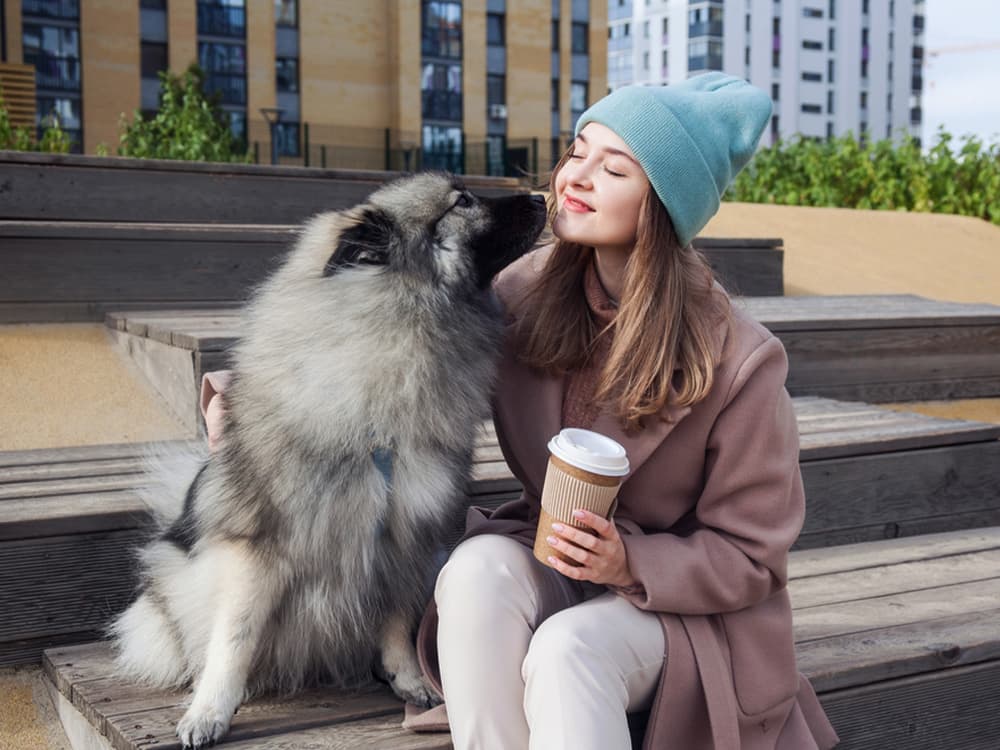
Below are key behaviors to observe when assessing whether your dog feels relaxed and secure with you. Your dog does not need to display all of these signs to trust you; trust develops in layers, and every dog expresses comfort differently. What matters most is the overall trend and context, and whether you’re seeing increasing relaxation over time rather than persistent stress signals. This information can help you track progress and share insights with a veterinarian, behavior consultant, or trainer.
Relaxed gaze: Your dog’s gaze is soft and relaxed when looking at you.
Comfort sharing space: If you lean into their space, they remain comfortable.
Calm food interaction: They gently take treats and stay near you after picking up the treat or bone.
Comfort with handling: They relax into being held or handled.
Play engagement: They comfortably engage in play with balls, squeaky toys, or other objects and remain connected during the interaction.
Relaxed separations: When you leave the room, they may notice, but easily settle.
Loose body posture: Their body is loose and able to rest.
These behaviors help you understand your dog’s baseline stress load and confidence in the world. A dog who startles easily or avoids certain surfaces may not lack trust — they may simply be sensitive or under-socialized.
Avoidant gaze: Your dog avoids eye contact or turns their head away.
Personal space sensitivity: They move away when you lean in.
Food interaction sensitivity: Your dog doesn’t gently take treats from you. Or, after picking up the treat or bone, they walk away (i.e., they do not hang out with you).
Handling discomfort: They stiffen, struggle to get away, or appear uncomfortable when being held.
Play disengagement: They disengage quickly or seem hesitant during play.
Separation distress: When you leave the room or leave them at home, they bark or whine, pace, tremble, or drool excessively.
Surface sensitivity: Do they walk confidently on different surfaces such as grass, cement, tile, or marble floors?
Novelty sensitivity: When encountering an unfamiliar object, person, or animal, do they remain curious and loose, or do they stiffen or startle?
Sound sensitivity: Do they respond to noises inside or outside the home by startling, hiding, or withdrawing?
When assessing your dog’s behavior, watch for a more relaxed, comfortable (and trusting) response versus a high-stress or fear response. Once you’ve gauged these behaviors, it’s important to create a plan to keep your rescue dog feeling safe, as they learn to adjust. This proactive approach not only ensures their well-being but also strengthens your bond with them.
Rescue dogs often have unknown histories, so you need to be slow and patient in your approach. Moving into a new home can be overwhelming and disorienting for many dogs. Because everything around them is unfamiliar, they may experience feelings of uneasiness. To help a rescue dog adjust, focus on their comfort and give them space. Make sure to approach them on their terms. Respecting their boundaries is one of the most important steps in building trust.
Absolutely. It’s common for a newly adopted dog to feel some level of apprehension as they adjust to a new environment and different routines. With time, patience, and positive reinforcement, most dogs will gradually become more comfortable and confident in their new surroundings. If they seem excessively overwhelmed, speak with your veterinarian about your concerns, and they can direct you to the right professional.
When dealing with a fearful dog, do not force interactions with people or other animals. Avoid punishing a fearful dog, and instead use kind, soothing words and positive reinforcement. Avoid loud voices, harsh movements, or forced engagements that overwhelm them. Instead, gradually expose them to new situations. While providing a fearful dog with a safe space in the home is important, avoid isolating the dog — having a family member nearby can offer comfort and reassurance.
Helping a scared dog feel secure starts with being mindful of your body language and how your movements may affect them. For instance, leaning into a dog’s space, making direct eye contact, or touching them before they’re ready may cause the dog to retreat in fear. Instead, adopt non-threatening body language (such as turning your face and body slightly to the side or averting your gaze) to help a scared dog feel less intimidated. This behavior mimics how dogs communicate with one another when they have non-threatening intentions.
If your dog doesn’t respond to treats, they may just need something different. Consider changing the treats to something more appealing, such as real meat or a new protein source. If you think your dog is full after eating, try other rewards, such as toys, praise, or playtime. But if your dog usually responds to treats and suddenly isn’t interested — and they haven’t just eaten — they could be nervous about something in their environment. Take a moment to assess the surroundings from their perspective.
“5 Tips for Successful Dog Training.” Vetmed.vt.edu, vetmed.vt.edu/news/2023/dog-training-tips.html.
“Dog Behavior Tips.” King County, www.kingcounty.gov.
Flom, Ross, and Peggy Gartman. “Does Affective Information Influence Domestic Dogs’ (Canis Lupus Familiaris) Point-Following Behavior?” Animal Cognition, vol. 19, no. 2, 29 Oct. 2015, pp. 317–327, https://doi.org/10.1007/s10071-015-0934-5. Accessed 17 June 2019.
“Shy and Fearful Dogs.” Metropolitan Government of Nashville & Davidson County, nashville.gov.

Vivian Zottola, MSc, author of the nonfiction book Being A (Good) Dog In The Human’s World, is a member of the Dog Writers Association of America, and research associate with the Center for Canine Behavior Studies, Inc. She runs a private practice specializing in the prevention and resolution of behavior challenges between humans and pet companion dogs. Find more information at www.VivianZottola.com and Instagram @vivianzottoladogbehavior

Behavior & Training

Behavior & Training

Behavior & Training
Adoption Advice
Stray dogs often thrive in new homes, but proper preparation and patience are key to a smooth transition

Adoption Advice
With the right care, puppy mill rescues can learn to trust and thrive.

Behavior & Training
Is your dog bent on destroying everything in sight? (We know the feeling.) Here are the best ways to stop this destructive behavior.
Shelters & Rescue
This simple act can greatly benefit shelter pups (and humans, too).
Foster & Volunteer
Fostering comes with important responsibilities. Learn which shelter or rescue is right for you by asking these key questions.